





The Ultimate Hoi An Tailor Guide: Prices, Shops & Tips
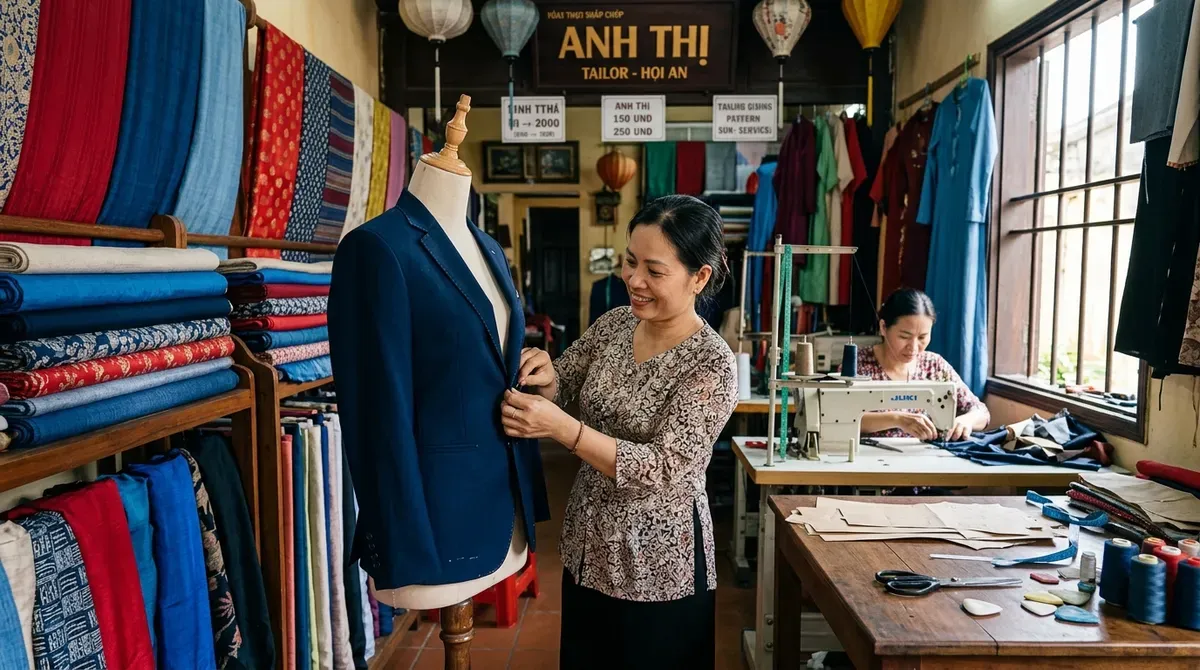
Imagine walking down historic streets illuminated by thousands of colorful silk lanterns. You have arrived in the undisputed bespoke tailoring capital of Southeast Asia. Currently, over 400 tailor shops line these ancient, vibrant alleyways. However, navigating this bustling scene can quickly overwhelm first-time visitors.
Varying price points, endless fabric choices, and aggressive street touts complicate the entire experience. Furthermore, travelers usually operate on very tight vacation schedules. Therefore, having a reliable hoi an tailor guide is absolutely essential for success. This comprehensive walkthrough will help you secure perfectly fitted, high-quality garments.
Specifically, we will cover realistic 2026 costs, highlight the most reputable shops, and share crucial insider tips. Consequently, you will avoid common scams and leave Vietnam with a stunning personalized wardrobe.
1. The Step-by-Step Hoi An Tailoring Process
Phase 1: Inspiration and Design
First, as any comprehensive Hoi An tailor guide will emphasize, you must clearly define what you actually want to create. Whether you bring personal sketches or Pinterest boards, clear communication is absolutely vital. Furthermore, most shops offer extensive catalogs filled with modern and classic designs. However, visual references always work best to avoid frustrating misunderstandings. Specifically, showing a tailor exactly what you desire ensures accurate, beautiful results.
Additionally, you must discuss the finer details of your desired garment. For instance, you need to choose lapel widths, pocket styles, and button configurations. Moreover, a skilled tailor will advise you on what styles flatter your specific body type. Therefore, take your time during this initial consultation phase. Ultimately, a strong design foundation guarantees a successful tailoring experience.
Phase 2: Fabric Selection
Next, you will navigate the overwhelming, colorful world of textiles. Understanding different materials is crucial for crafting a successful, long-lasting garment. For example, lightweight linens and breathable silks suit tropical climates perfectly. Meanwhile, heavy wool blends work much better for formal winter suits. Additionally, you must decide whether to purchase shop materials or bring your own fabric.
Most importantly, high-quality fabric dictates the lifespan of your custom clothes. In fact, cheap synthetic materials will quickly pill, tear, or lose their shape. Therefore, you should always physically touch and feel the fabric bolts before making a decision. Furthermore, ask the tailor about the fabric’s specific composition and origin. Consequently, investing in premium materials yields significantly better long-term results.
Phase 3: Measurements and Initial Fitting
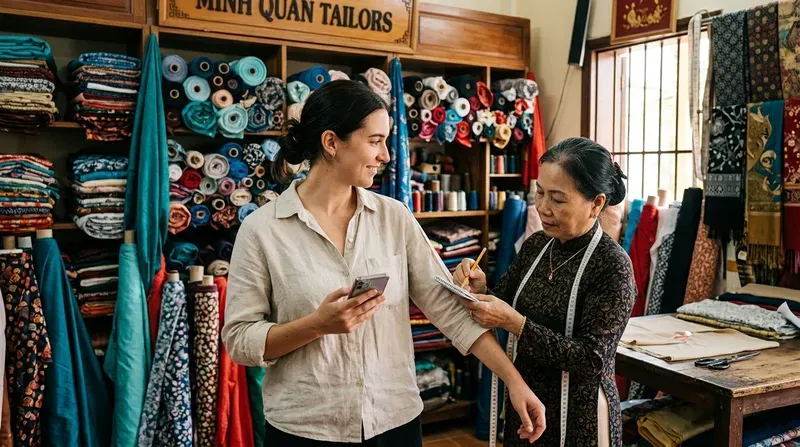
After choosing your fabrics, the meticulous measurement process officially begins. A professional Hoi An dressmaker or tailor will take dozens of precise measurements. In fact, they measure everything from your shoulder slope to your exact wrist circumference. Consequently, this highly detailed data creates the foundational blueprint for your bespoke garments.
Moreover, skilled tailors account for your unique posture and natural body shape. For instance, they will note if one shoulder sits slightly lower than the other. Therefore, you must always stand naturally and relaxed during this crucial step. Additionally, wear well-fitting undergarments to ensure the measurements remain as accurate as possible. Ultimately, precise measurements separate true bespoke clothing from standard off-the-rack fashion.
Phase 4: Multiple Fittings
Subsequently, you will return to the shop for your first actual fitting. A custom suit typically requires two to three fittings to achieve absolute perfection. During these sessions, tailors meticulously adjust the drape, hemline, and overall silhouette. Notably, the garment will look quite raw and unfinished during the initial fitting.
However, you must speak up if anything feels too tight or restrictive. Furthermore, honest and direct feedback allows the tailor to make necessary structural changes. For example, you might request slimmer sleeves or a slightly shorter jacket length. As a result, the garment slowly transforms to fit your exact proportions. Most importantly, patience during these fittings guarantees a flawless final product.
Phase 5: Final Adjustments and Pickup
Finally, the exciting moment of pickup arrives at the tailor shop. You must carefully inspect the final stitching, inner lining, and overall fit. Specifically, you should check the following crucial details:
- Buttonholes and hidden seams for any loose or messy threads.
- The drape of the trousers while sitting down and standing up.
- Shoulder mobility when lifting your arms in a jacket.
- The exact length of the sleeves against your dress shirts.
If everything looks flawless, you can proudly take your custom clothes home. However, do not hesitate to request minor last-minute tweaks if something feels slightly off. In fact, reputable shops will happily make quick adjustments while you wait. As a result, you leave Vietnam with a truly personalized, high-quality wardrobe.
2. Hoi An Tailor Prices: A Complete Cost Estimation
Hoi An Custom Suits
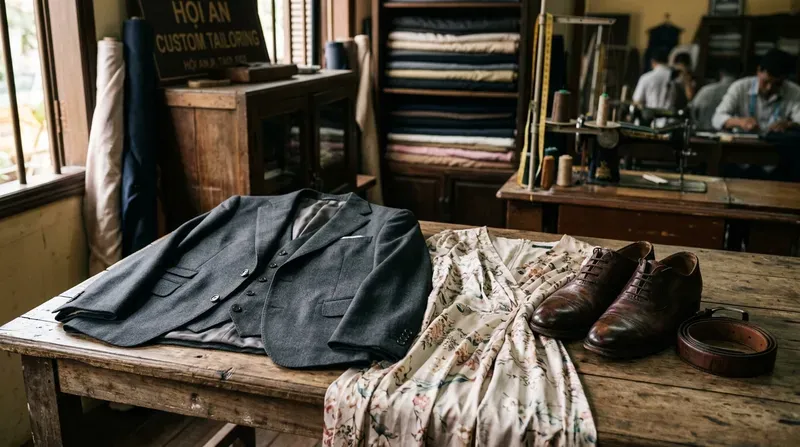
Budgeting correctly is absolutely vital for your bespoke tailoring journey. Hoi An custom suits vary wildly in price based on overall fabric quality. For example, a basic two-piece suit in a synthetic blend costs around $100 to $150. However, upgrading to premium imported cashmere wool pushes the price to $250 or $350.
Furthermore, adding a matching vest for a three-piece ensemble usually adds $50 to $80. Additionally, specialized details like functional buttonholes or silk linings might incur small extra fees. Therefore, you must carefully balance your budget against your desired garment longevity. Ultimately, spending slightly more on better fabric represents a wise long-term investment.
Dresses and Casual Wear
Meanwhile, casual wear offers fantastic value for your hard-earned money. Estimated 2026 prices for simple summer dresses range from $30 to $60. On the other hand, intricate custom evening gowns can cost between $80 and $150. Additionally, bespoke button-down shirts typically run about $25 to $40 each.
In fact, many shops offer generous bundle discounts if you order multiple shirts simultaneously. Consequently, refreshing your everyday wardrobe becomes a highly affordable endeavor. Moreover, you can replicate your favorite worn-out casual pieces for a fraction of designer prices. As a result, casual tailoring remains incredibly popular among budget-conscious backpackers and luxury travelers alike.
Custom Leather Shoes Hoi An
Beyond clothing, the city boasts an impressive array of exceptional leather artisans. Ordering bespoke leather oxfords or loafers perfectly complements your brand-new suit. Specifically, custom leather shoes in Hoi An generally cost between $60 and $120. Moreover, skilled local cobblers can replicate famous designer boots with astonishing accuracy.
However, you must allow at least three to four days for proper leather molding. Furthermore, you should specify your preferred sole type, whether rubber or traditional stacked leather. Ultimately, matching your custom footwear to your tailored suit elevates your entire aesthetic. Therefore, visiting a dedicated leather workshop is highly recommended during your stay.
The ‘Cheap Tailor Hoi An’ Trap
Unfortunately, many unsuspecting tourists fall for highly unrealistic bargains. Prices that seem too good to be true usually hide terrible manufacturing secrets. For instance, ultra-cheap shops often use glued seams instead of proper, durable stitching. Furthermore, they frequently substitute premium fabrics with cheap, sweaty polyester blends.
As a result, these poorly made garments rarely survive their very first trip to the dry cleaner. Additionally, budget tailors often skip crucial canvas interlinings, leaving suits looking flat and lifeless. Therefore, investing in reputable mid-range or premium shops always yields significantly better long-term value. Most importantly, remember that true bespoke craftsmanship requires fair compensation for the artisans.
3. Express Tailoring in Hoi An: Timelines & Expectations
How 24-to-48-Hour Express Tailoring Works
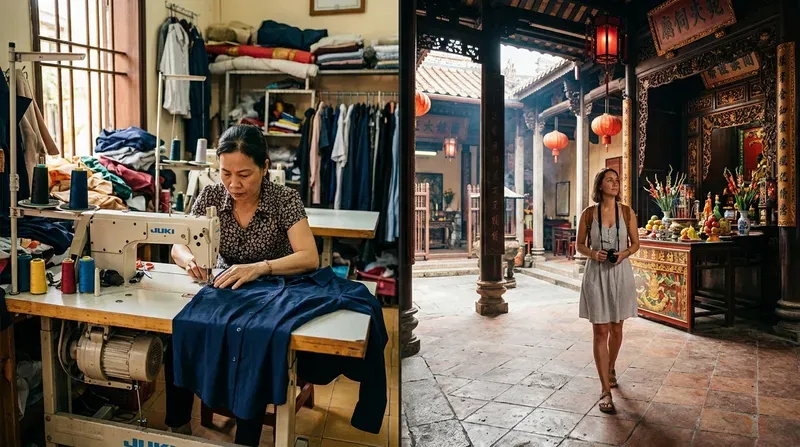
Time constraints often worry short-term visitors exploring central Vietnam. Thankfully, as any comprehensive Hoi An tailor guide will tell you, express tailoring operates as a remarkably well-oiled machine. In fact, many shops can produce basic, high-quality garments in just 24 to 48 hours. Behind the scenes, a massive workforce of specialized seamstresses operates around the clock.
Specifically, one person cuts the fabric while another focuses solely on stitching buttonholes. Consequently, this highly efficient division of labor enables incredibly fast turnaround times. Furthermore, the workshops are usually located just minutes away from the main storefronts. Therefore, alterations can happen almost instantly during your scheduled fitting appointments.
Managing Quality Expectations
However, incredible speed should never completely override garment quality. Complex garments like bespoke suits genuinely need more time to construct properly. Meanwhile, simple summer dresses or casual linen shirts easily fit into a 24-hour window. Therefore, you must manage your expectations based entirely on your specific order complexity. Rushing a three-piece wool suit often leads to sloppy stitching and poor, uncomfortable fits. Moreover, the internal canvas of a jacket needs time to mold to your shape. Most importantly, you should give your tailor at least three full days for structured formal wear. Ultimately, patience guarantees a much higher quality final product that you will actually wear.Maximizing Your Wait Time
Waiting for fittings certainly does not mean wasting your precious vacation days. In fact, you can easily explore the beautiful surrounding region between your appointments. We strongly recommend booking a hoi an private tour to maximize your daily schedule. For example, you can visit the ancient My Son Sanctuary early in the morning.
Afterward, you can return to the old town just in time for your afternoon fitting. Additionally, you might take a relaxing basket boat ride through the nearby coconut forests. Thus, you perfectly balance exciting cultural exploration with your essential tailoring needs. As a result, your vacation remains highly productive and incredibly memorable.
Shipping Options
Sometimes, strict travel itineraries force you to leave the city early. Fortunately, reliable shops expertly handle international shipping for your finished garments. Specifically, they partner with major global couriers to send your clothes home safely. However, this modern convenience adds a significant shipping fee to your final bill.
Moreover, you completely miss out on the crucial final fitting in person. Consequently, you might need to hire a local tailor back home for minor adjustments. Therefore, you should only use this shipping option if it is absolutely necessary. Ultimately, completing the entire process in person always yields the most accurate, satisfying results.
4. The Best Tailors in Hoi An: Top Rated Shops for 2026
Premium Bespoke Tailors
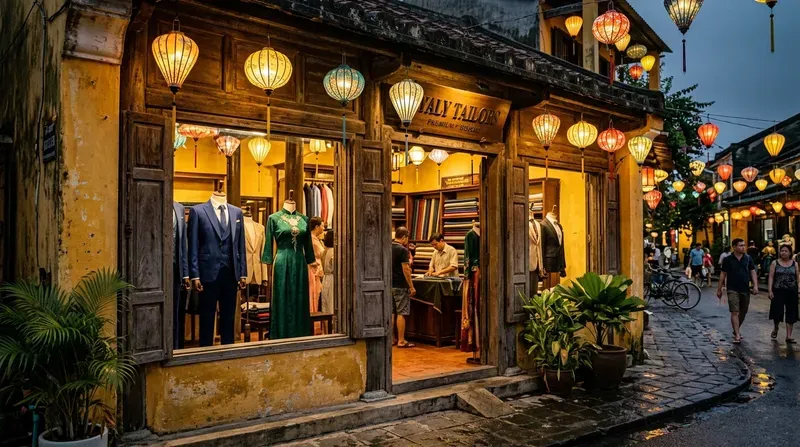
Choosing the right shop ultimately determines your overall sartorial success. Premium bespoke tailors consistently deliver impeccable, world-class quality and service. For instance, renowned establishments like Yaly Couture and BeBe Tailor dominate the luxury market. These top-tier shops employ master cutters and utilize state-of-the-art 3D measurement technology.
Furthermore, their extensive fabric libraries feature imported Italian wools and premium Vietnamese silks. Consequently, you pay a higher premium, but the results rival authentic Savile Row craftsmanship. Additionally, these shops offer luxurious, air-conditioned fitting rooms and complimentary beverages. Therefore, discerning travelers seeking flawless formal wear should absolutely invest in these premium establishments.
Mid-Range Favorites
Alternatively, mid-range shops offer fantastic, unbeatable value for everyday wear. These highly-rated establishments perfectly balance reliable quality and strict affordability. In fact, they excel at crafting casual wear, summer dresses, and standard business suits. Notably, shops in this tier still provide excellent customer service and multiple necessary fittings.
Therefore, budget-conscious travelers can still acquire beautiful custom clothing without breaking the bank. Furthermore, these tailors are often more willing to negotiate prices on larger bundle orders. Ultimately, mid-range tailors represent the perfect sweet spot for most visiting tourists. You simply get the best possible return on your tailoring investment.
Specialty Leather Shops
Beyond beautiful fabrics, the city truly excels in custom leather goods. Specialty leather shops employ the absolute best cobblers and leather workers in Vietnam. Specifically, these talented artisans craft stunning custom shoes, belts, and bespoke travel bags. Moreover, they use high-quality cowhide and exotic leathers sourced from highly reputable tanneries.
However, intricate leatherwork requires vastly different skills than traditional clothing tailoring. Thus, you should always visit dedicated leather shops rather than ordering shoes from a dressmaker. Additionally, you can customize everything from the sole stitching to the inner lining color. As a result, you walk away with truly unique, handcrafted leather accessories.
How to Read Reviews Effectively
Navigating online feedback requires a highly critical and discerning eye. You must learn how to read reviews effectively to spot fake or purchased testimonials. For example, be wary of shops with thousands of vague, five-star reviews posted recently. Instead, look for detailed reviews that mention specific staff members and exact fabric types.
Additionally, checking authoritative platforms like Tripadvisor helps verify a shop’s long-term historical reputation. Furthermore, you should actively search for customer photos showing the actual fit of the garments. Most importantly, trust recent 2026 reviews over outdated, pre-pandemic feedback. Ultimately, thorough preliminary research prevents costly tailoring mistakes.
5. Essential Hoi An Tailor Guide: Insider Tips to Avoid Scams
Negotiating Prices Respectfully
Haggling is a completely standard part of daily Vietnamese commerce. However, you must negotiate prices respectfully without ever compromising the final product. Aggressive lowballing often forces the tailor to use cheaper fabrics or rush the stitching process. Instead, ask for a modest 10% to 15% discount, especially when ordering multiple items.
Furthermore, maintaining a friendly, polite demeanor always yields much better financial results. You can also negotiate for small free additions, like a matching pocket square or tie. Ultimately, fair pricing ensures both you and the hardworking tailor walk away completely happy. Therefore, approach negotiations as a friendly conversation rather than a hostile battle.
Fabric Quality Checks
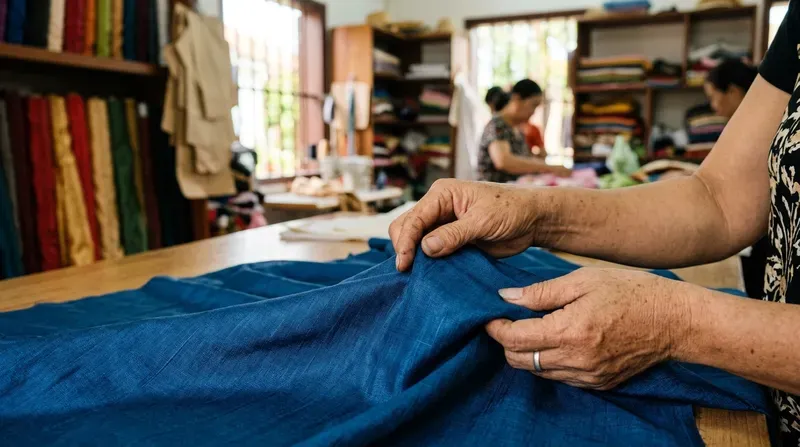
Verifying materials prevents incredibly costly disappointments later in the process. You should always perform basic fabric quality checks before paying any initial deposit. For instance, you can use these simple tests to verify authenticity:
- The scrunch test: Squeeze the fabric tightly to see if linen or cotton wrinkles excessively.
- The burn test: Burn a single thread to verify authentic silk, which should smell like burning hair.
- The light test: Hold the material up to a strong light to check its weave density.
Therefore, never hesitate to inspect fabrics closely and ask probing questions. Most importantly, reputable tailors will actually encourage you to test their premium materials.
Avoiding Street Touts
Navigating the busy streets requires constant vigilance and firm boundaries. As noted in almost every reliable Hoi An tailor guide, you should never follow street promoters or aggressive taxi drivers offering unsolicited tailoring recommendations. In fact, these individuals earn massive, hidden commissions for bringing tourists to subpar shops.
Consequently, the shop artificially inflates your final price to cover the tout’s finder’s fee. Moreover, tout-driven shops notoriously deliver terrible fits, rushed stitching, and low-quality garments. Therefore, always conduct your research independently and walk directly to your chosen establishment. Furthermore, politely but firmly decline any offers from strangers trying to guide your shopping trip. Ultimately, maintaining control of your itinerary guarantees a much safer, authentic experience.
Self-Care During the Process
The bespoke journey can quickly become physically and mentally exhausting. Standing still for multiple fittings in the heavy tropical heat rapidly drains your energy. Therefore, you must actively prioritize self-care during the entire tailoring process. Take a well-deserved break and visit the best spas in hoi an old town to relax.
Specifically, a traditional Vietnamese foot massage works absolute wonders after walking between different tailor shops. Additionally, remember to stay hydrated by drinking plenty of fresh coconut water or iced coffee. As a result, you will return to your final fitting feeling completely refreshed and focused. Most importantly, a relaxed mindset helps you spot minor garment flaws more easily.
6. Frequently Asked Questions About Hoi An Bespoke Tailoring
Should I Bring My Own Fabric or Designs?
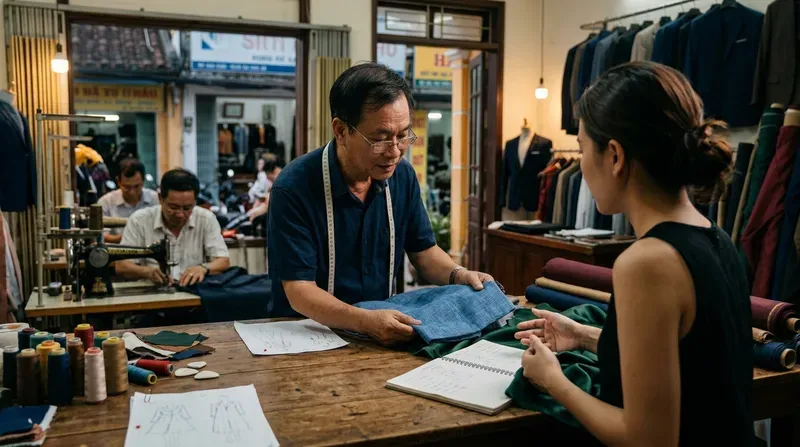
Many travelers consulting a Hoi An tailor guide frequently wonder about bringing their own personal materials. Bringing your own designs or reference photos is always highly recommended. In fact, clear visual references eliminate costly miscommunications regarding overall style and fit. However, bringing your own fabric is generally unnecessary unless you have highly specific, unusual requirements.
The best tailors in Hoi An already stock thousands of premium, imported textiles. Furthermore, local tailors know exactly how their own fabrics drape, stretch, and behave during construction. Therefore, relying on their extensive in-house inventory usually produces vastly superior results. Ultimately, you save valuable luggage space by purchasing fabrics directly at the shop.
How Many Fittings Are Strictly Required?
Understanding the standard fitting schedule prevents unnecessary travel anxiety. A complex custom suit strictly requires at least two to three dedicated fittings. Specifically, the tailor needs these sessions to adjust the intricate internal canvas and shoulder structure. On the other hand, a simple casual shirt often needs only one quick fitting.
Therefore, you must carefully plan your itinerary based on the complexity of your specific order. Furthermore, you should always leave a buffer day before your departure for any last-minute emergencies. Most importantly, never skip a scheduled fitting just to save a little vacation time. Ultimately, multiple fittings guarantee the flawless, bespoke silhouette you are paying for.
Can I Save Measurements for Future Orders?
A top tip you will find in any great Hoi An tailor guide is that building a long-term relationship with your chosen tailor offers fantastic ongoing perks. Most reputable shops happily keep your precise measurements safely saved on file. Consequently, you can easily place future online orders once you return to your home country. Moreover, they will ship new custom garments directly to your international address.
However, you should definitely update these measurements if your body weight fluctuates significantly over time. Additionally, many shops will send you fabric swatches via mail for your future remote orders. Ultimately, this convenient service provides a lifetime supply of perfectly fitted, customized clothes. Therefore, finding a tailor you truly trust pays dividends for years to come.
Are There Hidden Costs?
Financial transparency varies wildly between different tailoring establishments. Generally, the quoted price includes the fabric, the labor, and all necessary fitting sessions. However, hidden costs can occasionally surprise unsuspecting tourists at the final checkout. For instance, you might encounter these common extra charges:
- Premium silk linings instead of standard synthetic options.
- Genuine horn or mother-of-pearl buttons instead of plastic ones.
- A standard 3% transaction fee for paying with a foreign credit card.
- Extra fees for major structural alterations requested late in the process.
Therefore, you should always ask for a fully itemized receipt before paying your initial deposit. Most importantly, clear financial communication prevents any awkward disputes when collecting your clothes.
Conclusion
Getting clothes custom-made in Hoi An remains a truly unforgettable travel experience. This unique, creative process yields beautiful, personalized additions to your everyday wardrobe. However, absolute success requires understanding the timelines, costs, and how to properly choose the right shop. By following this comprehensive guide, you can confidently navigate the bustling streets and avoid common tourist traps.
Furthermore, you will know exactly how to communicate your specific style needs to local artisans. Plan your tailoring journey by visiting a shop on your very first day in Hoi An to allow ample time for fittings. Start saving your favorite design inspirations today, and prepare for an incredible sartorial adventure!


