


Hue to Phong Nha: Best Routes, Train Options and Travel Planning
Hue to Phong Nha at a Glance: The Short Answer
Most travelers going from Hue to Phong Nha use one of three options: a private car or door-to-door transfer, a tourist bus or limousine van, or the train. The road trip runs north through the former DMZ area and covers roughly 200 to 220 kilometers, depending on the route and your drop-off point. A private car is usually the most flexible and practical choice for families, groups and anyone carrying heavy luggage.
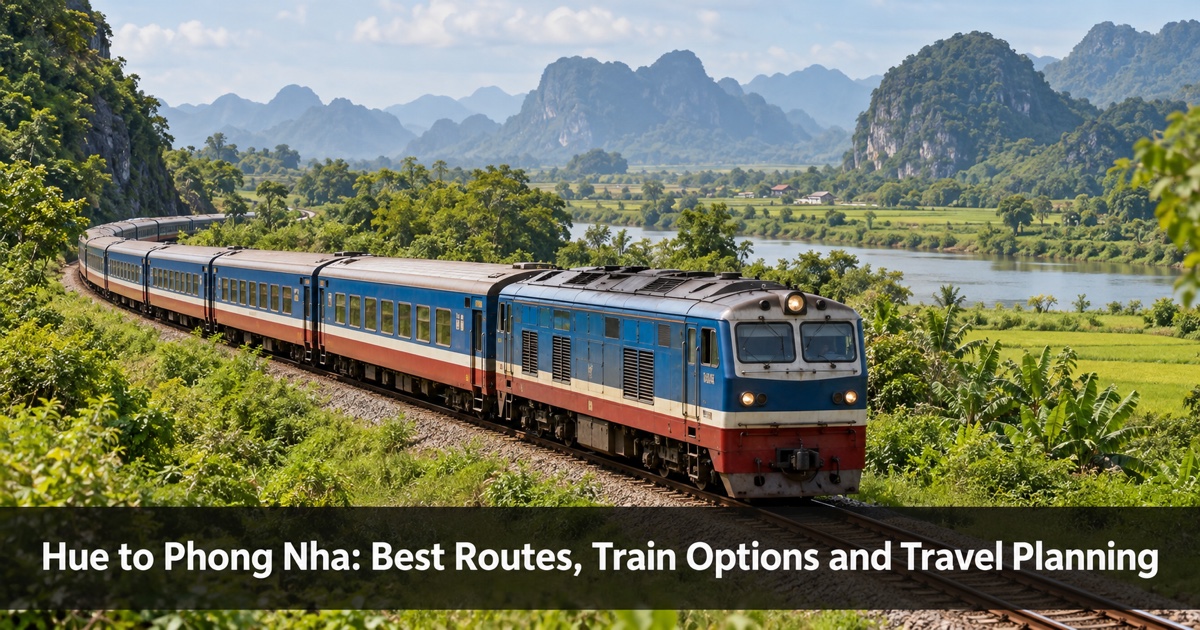
Rail travelers also have a direct option. Vietnam Railways now runs the HQ2 heritage train from Hue to Tho Loc station, which serves as a gateway to Phong Nha. You can also take a regular north-south train from Hue to Dong Hoi and then continue to Phong Nha by road. Schedules and operating dates change, so always confirm current departures through the official Vietnam Railways heritage journey booking page before you plan around a specific train.
The Fastest Practical Road Route
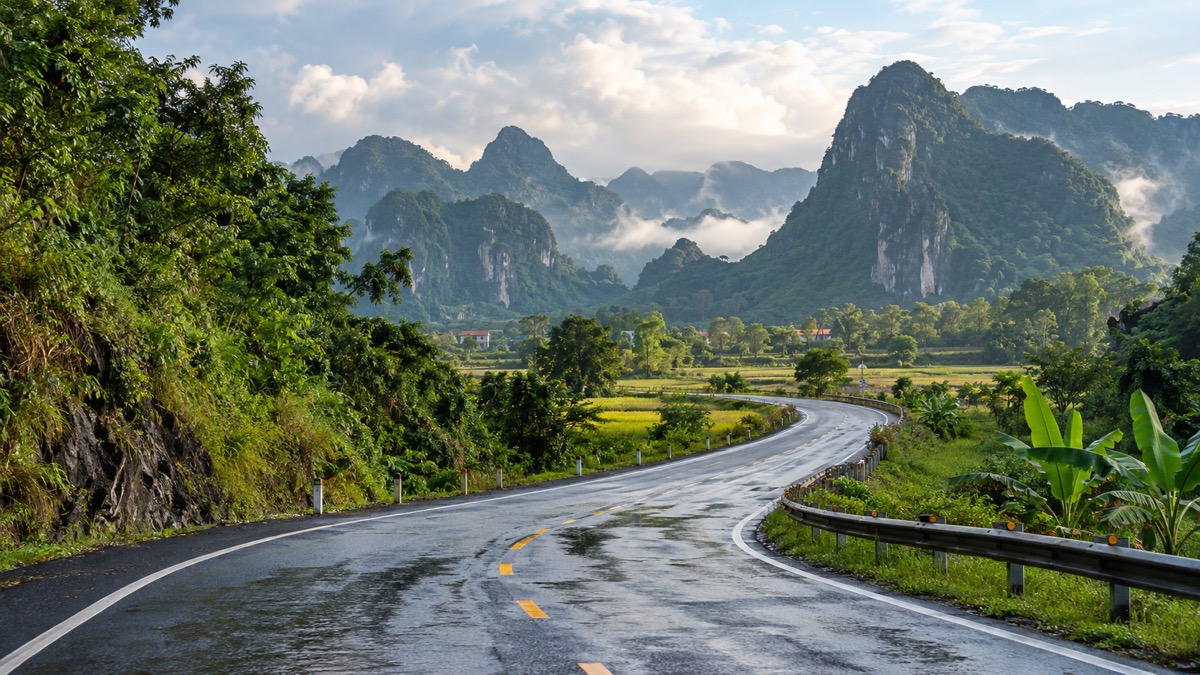
The quickest way to drive from Hue to Phong Nha is to head north through the Quang Tri area toward Dong Ha. From there, drivers either stay on the main north-south corridor (National Road 1A or the newer expressway sections) toward Dong Hoi, or use the inland Ho Chi Minh Road toward the national park. Local drivers pick the route based on road works, traffic and where you are staying. Hotels in Phong Nha town, Bong Lai valley and Dong Hoi each have different best approaches.
How long does the drive take?
Treat any travel time you see as an estimate, not a schedule. Many travelers plan for a drive of around three to four hours of moving time. However, rest stops, lunch, roadside construction, holiday traffic and rain can stretch the trip to most of a day. If you add stops at DMZ sites such as the Vinh Moc Tunnels or the Hien Luong Bridge, plan for a full day on the road.
Scenic stops worth considering
- Hien Luong Bridge and the Ben Hai River: the historic dividing line between North and South Vietnam.
- Vinh Moc Tunnels: a village tunnel network near the coast, best visited with comfortable shoes.
- Dong Hoi: a convenient lunch and fuel stop with beachfront cafés before you turn inland.
Each stop adds time. Decide in advance whether the drive is just a transfer or a sightseeing day.
Train Options from Hue to Phong Nha
The HQ2 heritage train to Tho Loc
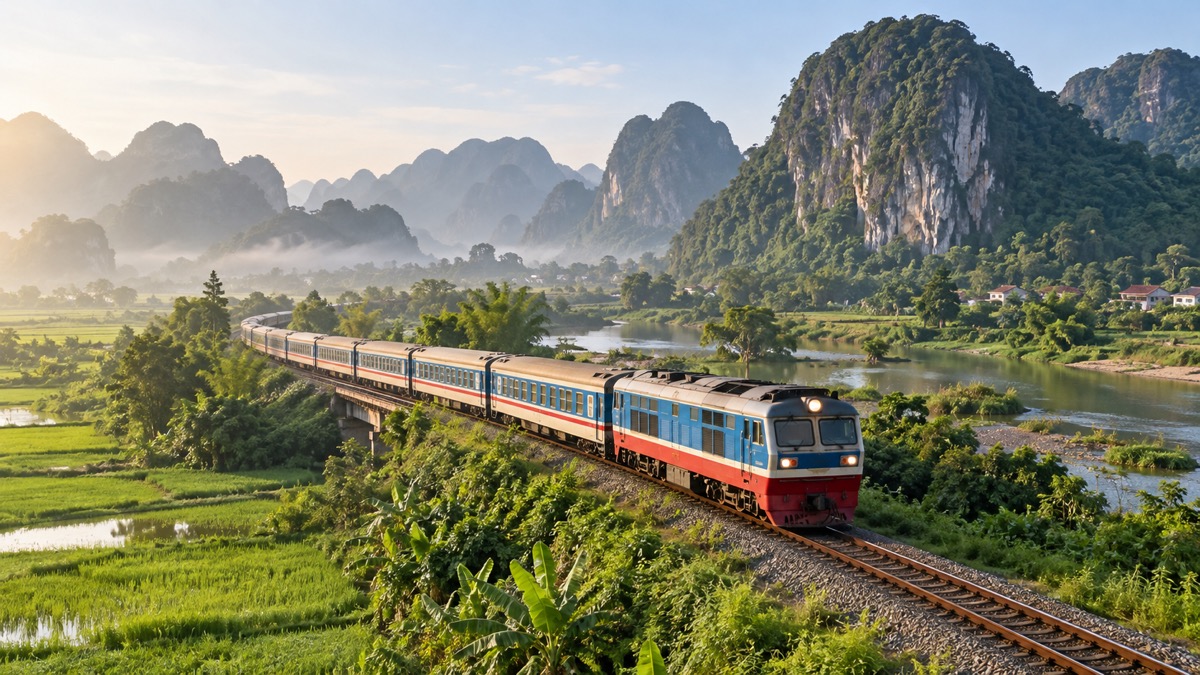
The newest rail choice is the Vietnam Railways heritage service. The HQ2 train runs from Hue to Tho Loc station, which sits close to the Phong Nha area and acts as its rail gateway. It suits travelers who want a scenic, more leisurely journey and who prefer to avoid a long road transfer.
Because this is a heritage-style service, departures may not run every day. Timetables, seat classes and operating seasons can also be adjusted. Book through the official Vietnam Railways heritage journey site, and check again close to your travel date.
Regular trains from Hue to Dong Hoi
The classic alternative is any north-bound Reunification Express train from Hue to Dong Hoi. These trains run more often, although departure times vary by season. From Dong Hoi station you will still need to get to Phong Nha, which is roughly 45 kilometers inland. Taxis, ride-hailing cars, hotel pickups and local buses all cover this last leg.
Solving the last mile from the station
Whichever train you choose, plan the station-to-hotel connection before you leave Hue:
- Ask your Phong Nha accommodation whether it offers pickup from Tho Loc or Dong Hoi station.
- Save your hotel address in Vietnamese so you can show it to a driver.
- Download a ride-hailing app and confirm coverage at your arrival station, because availability at smaller stations can be limited.
- For late arrivals, arrange a car in advance rather than hoping to find one on the spot.
Private Car vs Bus vs Train: Comparison Table
Use this table to match each option to your priorities. Times are general estimates; check current schedules for rail and bus departures.
Choosing for Families, Groups and Heavy Luggage
Families with children
A private car lets you stop for bathroom breaks and snacks. Ask about child seats in advance, because they are not standard.
Groups of four or more
Splitting a larger vehicle often makes private transport good value. It also keeps everyone together with one pickup point.
Large suitcases
Limousine vans may have little cargo room. Tell your operator exactly how many bags you have before you book.
Solo travelers with a backpack have the most freedom. A bus or train is usually the simplest choice for them, with a short taxi ride at the end.
One-Day Trip or Overnight Stay?
A same-day trip from Hue to Phong Nha and back is possible, but it is demanding. With a long drive in each direction, you would only have time for one main site, usually Phong Nha Cave or Paradise Cave. Most of your day would be spent in a vehicle.
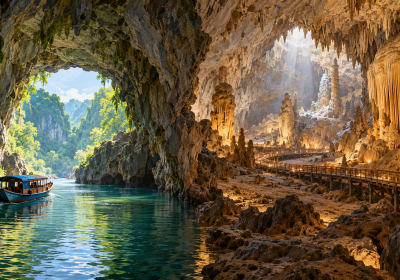
An overnight stay, or better two nights, changes the experience. You can visit Phong Nha Cave by boat along the Son River, explore Paradise Cave, and still have time for the countryside around Bong Lai. Read the official Phong Nha Cave information from the national park for current visiting details before you plan your day.
If you prefer a structured day with transport handled for you, a Phong Nha and Paradise Cave tour is worth comparing with planning everything yourself. Check the tour page for current inclusions and availability.
Weather Contingency Planning
Central Vietnam has a pronounced rainy season, typically heaviest in the autumn months. Heavy rain can slow road travel, cause local flooding and lead to temporary closures of some cave sites or river boat services. Train timetables can also be disrupted during severe storms.
- Check weather forecasts and local news a few days before you travel.
- Build a buffer day into your itinerary if you travel during the wet season.
- Prefer flexible or refundable bookings for trains and hotels.
- Confirm with the park or your accommodation that caves and boats are operating.
- In hot months, start early, carry water and plan indoor rest at midday.
How to Build a Door-to-Door Journey, Not Just Buy a Ticket
A transport ticket is only one part of the Hue to Phong Nha journey. Start with your actual origin and destination: a hotel in central Hue, a resort outside the city, Phong Nha village, a countryside homestay, or an address in Dong Hoi. The cheapest train fare may stop being the simplest choice if you need two taxis and must move several large bags. Conversely, a rail trip may be pleasant and efficient when both stations have straightforward connections. Write the complete chain on one line—hotel to departure point, main journey, arrival transfer, and final address—before comparing options.
For a road transfer, ask whether the quoted route includes hotel pickup, a break, tolls, and delivery to your precise accommodation. A driver dropping you at a central meeting point is a different service from door-to-door transport. For a bus, confirm whether the advertised pickup is at your hotel or a designated stop, how early you must arrive, and where in Phong Nha the vehicle ends. Smaller vans may have limited luggage space; disclose large suitcases or equipment bags before payment. These details are especially useful when traveling with a child who may need a seat or a guest who cannot comfortably wait outside for a long period.
For rail, identify the station printed on your booking. Tho Loc serves the heritage route toward Phong Nha, while Dong Hoi is the familiar stop for many north-south services. Neither station name means you are already at every Phong Nha hotel or cave entrance. Ask your accommodation about a transfer with the train number and arrival time, and keep the driver’s contact method available offline. If your train arrives after dark, prearranging a vehicle removes a stressful last-minute search. Check your ticket carefully before departure, as changing the station or date may be difficult once the journey is close.
Two Sensible Travel Plans
Travel day followed by a full cave day
If you have enough time, spend the first day moving from Hue and settling into your accommodation. Take a meal, check the current cave opening information, and leave the next day for sightseeing. This plan absorbs small transport delays without forcing you to rush through a cave. It also gives families a chance to rest after a morning train or road journey. When you book the next day’s activities, ask the operator for the actual pickup time, expected walking, and weather contingency rather than relying only on an attractive summary.
Transfer plus one carefully chosen visit
When your schedule is tight, an early road departure may leave time for one cave or a gentle riverside activity after arrival. Keep the plan modest. Ticket queues, lunch, hotel check-in, and local travel all consume time that a map cannot show. The best visit for a half-day is not automatically the most famous one; choose according to opening hours, the energy of your group, and the time needed to get back to your hotel. If heavy rain affects river operations, have a realistic alternative that everyone would still enjoy.
A same-day return to Hue is a different proposition. It may be possible on paper yet uncomfortable for travelers who want more than a brief stop. Before committing, count the entire outward journey, the visit, meals, rest breaks, and the journey back. If the total leaves little time at the destination, an overnight stay or a different day trip may offer better value for your holiday time. A private transfer offers flexibility but does not remove fatigue or road conditions. Treat each member’s comfort as part of the itinerary, not an afterthought.
Booking Checks That Prevent Common Mistakes
Use the official railway booking channel to confirm whether the Hue–Tho Loc heritage train operates on your exact date; a promotional timetable or an older screenshot is not a confirmed seat. For other trains, verify that the service actually stops at Dong Hoi and that the arrival time works with your onward transfer. Bus services can change departure points or drop-off locations, so request those details in writing. For any mode, check cancellation and luggage terms before paying, particularly if your trip falls during a period of unsettled weather.
Send the operator the names or number of travelers, any child-seat needs, the count of large bags, and the precise pickup and drop-off addresses. Ask whether breaks are possible and how the driver handles a delay in your prior train or flight. Avoid assuming that an advertised “limousine” vehicle has a particular seat layout or cargo capacity; descriptions vary. If accessibility matters, request concrete information about steps, boarding height, walking from the vehicle, and available assistance. A clear answer is more valuable than a generic promise that the journey is comfortable.
Finally, keep contact details and booking confirmations accessible without relying on continuous mobile data. Save the hotel address in Vietnamese, plus the station name or meeting point. Leave a time buffer before another fixed commitment. Phong Nha rewards unhurried planning: the journey should lead into the experience, not use up all your energy before you reach it.
Practical Pre-Trip Checklist
- ✅ Confirm your train or bus departure through official or operator channels.
- ✅ Arrange station pickup at Tho Loc or Dong Hoi if traveling by rail.
- ✅ Share your exact hotel location, as Phong Nha accommodation is spread out.
- ✅ Tell your driver about luggage size, child seats and planned stops.
- ✅ Carry some Vietnamese dong in cash for snacks, tolls or small vendors.
- ✅ Pack rain gear, sturdy shoes and a light layer for cool caves.
- ✅ Keep a buffer day in the rainy season.
- ✅ Check current cave opening details before you leave Hue.
Coming from further south instead? Our guide to Da Nang to Phong Nha covers the longer journey and its route choices.
Frequently Asked Questions
Is there a direct train from Hue to Phong Nha?
Yes, in effect. The Vietnam Railways HQ2 heritage train runs from Hue to Tho Loc, the rail gateway to Phong Nha. You still need a short road transfer to your hotel or the caves. Check the official booking site for current dates.
Can I still take a regular train to Dong Hoi?
Yes. Regular north-south trains stop at Dong Hoi, and from there you continue by taxi, hotel transfer or local bus.
What is the best option for a family?
Usually a private car or door-to-door transfer. It handles luggage, allows rest stops and avoids extra transfers with tired children.
Is a day trip from Hue to Phong Nha worth it?
It can work if time is very short, but expect a long day mostly on the road. One or two nights in Phong Nha gives a much better experience.
Summary and Next Step
Getting from Hue to Phong Nha is simple once you match the transport to your needs. A private car offers the most flexibility, a bus keeps costs down, and the train adds a scenic ride. The HQ2 heritage train goes to Tho Loc, while regular trains reach Dong Hoi. Plan your last mile, allow for weather, and stay overnight if you can.
Ready to Explore Phong Nha’s Caves?
Compare your options and see what a guided cave day could look like.