




Hanoi Food Tour: A Practical Old Quarter Guide to What to Eat and How to Choose
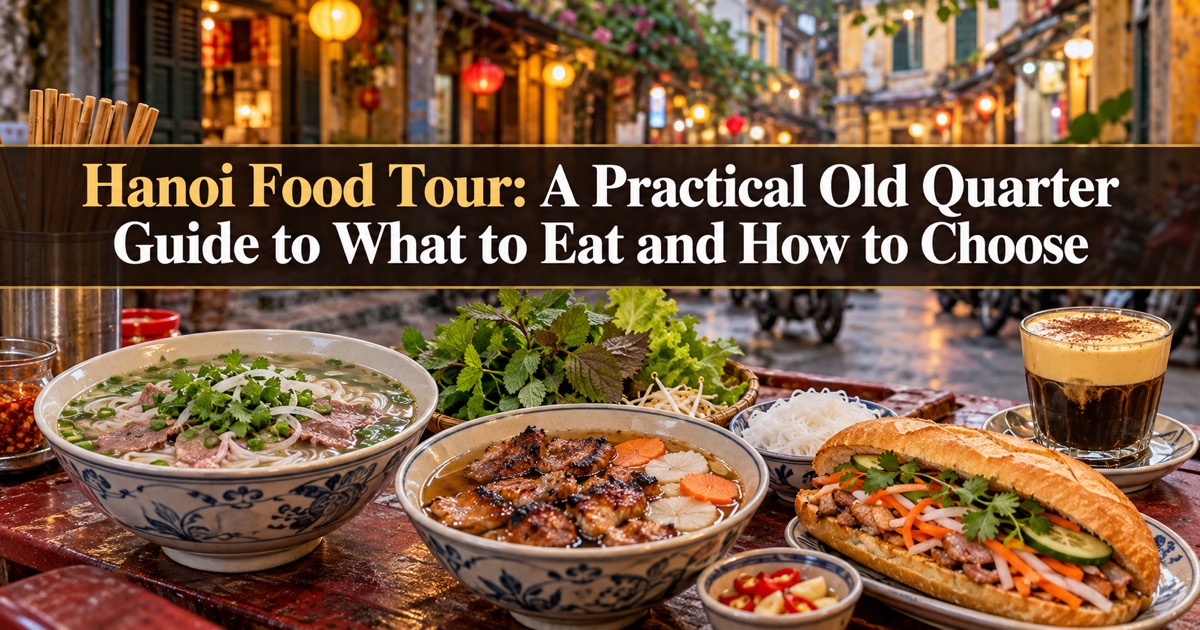
A good Hanoi food tour is more than a sequence of famous dishes. It is a way to understand how the capital eats: small shops with narrow menus, stools that fill quickly, broths prepared with care, and recipes that make sense in their own neighborhoods. The Old Quarter is an easy place to begin because many food traditions sit within walking distance. It can also feel overwhelming when every street has several stalls and every booking page promises the “best” experience.
This guide helps you decide whether to join a guided walk or explore independently, which dishes are worth prioritizing, and what to ask before you pay for a tour. It is written for travelers who want satisfying food and useful context, not a rigid checklist. Opening hours, menus and stall locations change, so verify any venue on the day you visit. The stronger plan is to understand the foods and choose a tour that can adapt.
Why take a Hanoi food tour?
Hanoi’s Old Quarter rewards curiosity, but the food scene is not always self-explanatory. A stall may specialize in one dish that it serves only during certain hours. A local guide can explain the ingredients, show you how to combine herbs and sauces, and steer the group toward stops that suit the time of day. A guided walk also helps first-time visitors navigate busy streets and order with confidence. The value should be in judgment and storytelling as much as in the quantity of food.
A self-guided walk can be equally rewarding if you enjoy researching dishes, can handle uncertainty and prefer to linger. You control the pace and budget. The trade-off is that you must identify suitable stops, explain dietary restrictions, find your way between them and decide what is safe to order. For a short first visit, a well-run small group tour can be an efficient introduction. For a longer stay, use that introduction to build your own list of places to revisit.
What to eat on an Old Quarter food walk
Phở: begin with the broth
Phở is one of Vietnam’s best-known dishes, but a bowl in Hanoi is worth tasting on its own terms. Notice the balance of broth, rice noodles, herbs and meat or another topping. Ask whether the kitchen has a vegetarian broth if you do not eat meat; a bowl with vegetables is not necessarily vegetarian when the broth is meat-based. Early in the day, a hot bowl can be a natural opening stop, but there is no rule that a food tour must begin with phở.
For tasting, share a smaller portion where the vendor allows it. A full bowl at the first stop leaves less room for the dishes that follow. Your guide should tell you what is in the broth and how locals use condiments rather than automatically adding sauces before you have tasted it.
Bún chả: grilled pork, noodles and herbs
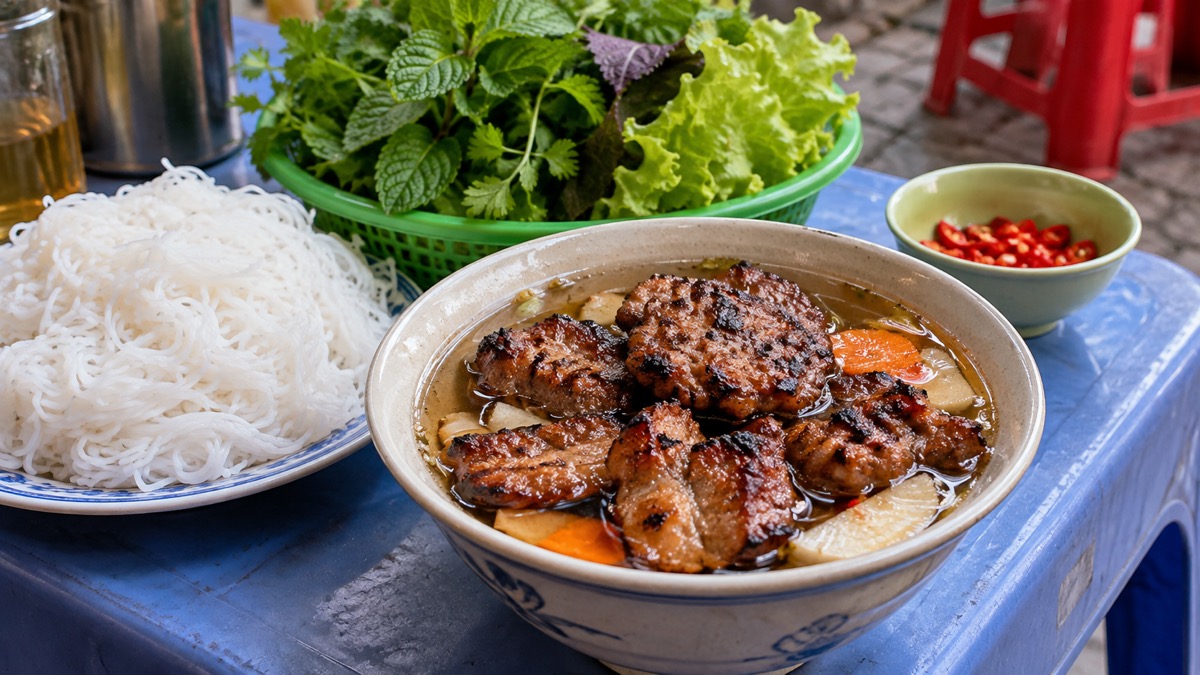
Bún chả brings together grilled pork, rice vermicelli, fresh herbs and a savory dipping sauce. The components arrive separately, so the experience includes deciding how much of each to combine. Ask the guide to explain the sauce and any accompaniments. This dish is a useful contrast to phở because the smoky grilled flavor and room-temperature noodles create a different rhythm.
If you do not eat pork, tell the operator before booking rather than assuming a quick substitution will be available. A thoughtful tour will suggest another stop that offers a complete alternative meal. The goal is to experience Hanoi’s food culture without turning a dietary need into an awkward surprise at the counter.
Bánh mì: a quick bite with many variations
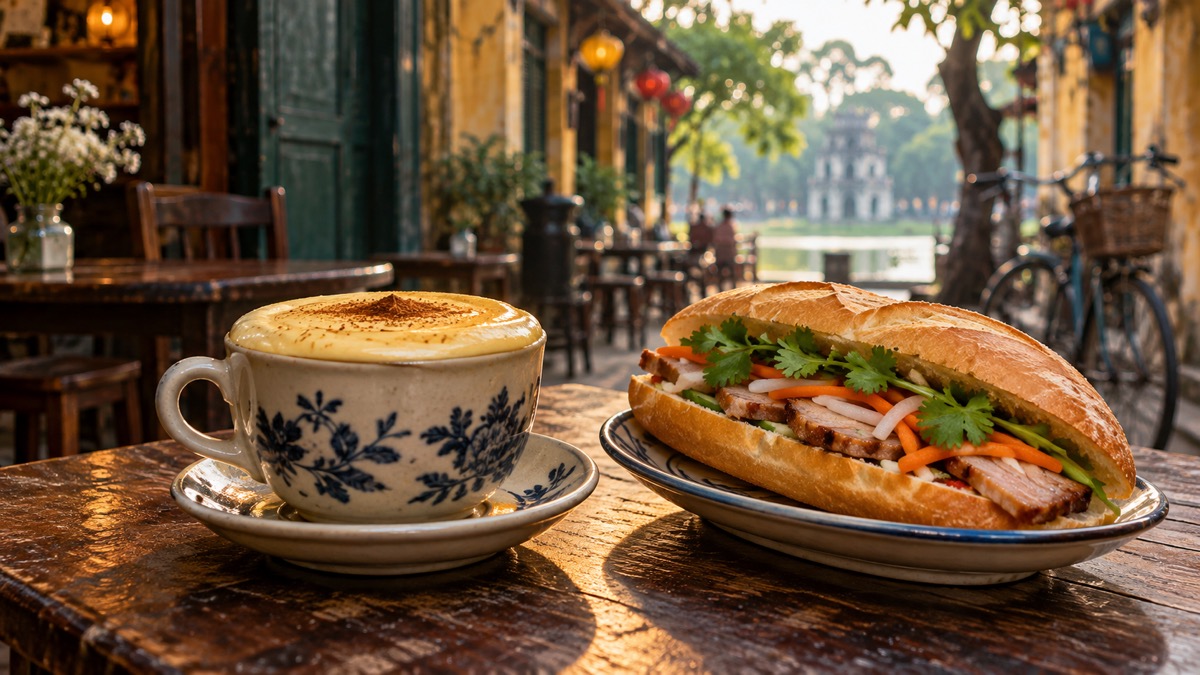
Bánh mì is convenient on a walking route, but fillings and bread styles differ from shop to shop. A tour should explain why it has chosen a particular version rather than treating the sandwich as a generic photo opportunity. It is easy to split, making it a sensible middle stop. Ask what sauces and pâté are included if you have allergies or avoid certain ingredients. If you want a vegetarian option, confirm that the bread and fillings are prepared as expected.
Chả cá and other Hanoi specialties
Turmeric-seasoned fish served with herbs, noodles and accompaniments shows another side of Hanoi’s cooking. It can take longer to serve than a street-side snack, so it works best on a tour with enough time for a seated stop. Other possibilities include green papaya salad with beef jerky, savory rice rolls and local sweets. The official Vietnam Tourism Old Quarter guide highlights several of these foods, which is a useful reminder that there is no single definitive five-dish route.
Let season and opening hours shape the walk. A tour that substitutes a good local specialty for a closed “famous” stall may give you a better experience than one that insists on a fixed route. What matters is the explanation of why each dish belongs in the story of Hanoi.
Egg coffee and a sweet finish
Egg coffee can be a memorable final stop: a rich, creamy topping above strong coffee, usually enjoyed slowly at a café. Ask about the ingredients if you avoid eggs, dairy or caffeine. A guide may offer another local drink or dessert when egg coffee does not fit your needs. Sweet soup, seasonal fruit or a different coffee style can close the walk just as well. Allow time to sit rather than rushing through the last stop to meet a vehicle.
How to choose the right tour
Check group size and walking pace
Small groups make it easier to hear the guide, fit into compact eateries and adjust the pace. Ask for the maximum number of guests, not only the average. The route should leave room for narrow sidewalks, traffic crossings and time to order. If you have mobility concerns, ask about the total walking distance, stairs, seating and restroom access. “Easy walk” is subjective; a specific route description is more useful.
Ask what the price includes
A fair comparison lists the number of tastings, approximate meal size, drinks, guide service and any pickup. Some tours are designed as a full meal; others offer only small samples. Either format can be good if it is clear. Check whether extra drinks, personal purchases and tips are excluded. Do not judge value by the number of stops alone. A brief stop with little explanation can be less useful than a long conversation over one carefully chosen dish.
Read the dietary policy carefully
Vegetarian, vegan, halal and allergy requirements need more detail than a checkbox. Ask which dishes can be changed, how cross-contact is handled and whether the guide can communicate the restriction at every stall. Street kitchens vary in equipment and preparation methods, and no responsible operator should promise zero risk when it cannot verify that claim. If your allergy is severe, contact the operator directly and consider a private route with fewer, prechecked stops.
Look for flexibility, not a guarantee of a named stall
Food businesses may close unexpectedly or sell out. A good operator can explain its backup plan. It should be honest if the route changes and should offer an equivalent experience, not silently skip a promised course. Recent reviews can reveal whether guides provide context, manage pace and respond well to dietary needs. Read detailed reviews rather than relying only on an overall star score.
Morning, afternoon or evening?
A morning walk can begin with breakfast foods and show the Old Quarter as shops open. It often suits travelers who prefer cooler hours and want the rest of the day free. An afternoon tour may include more café time, but midday heat can make a long walk less comfortable. Evening tours bring a livelier street atmosphere and work well as dinner, although lanes can be crowded and some stalls have different hours. There is no universally best departure: choose the period that fits your energy and preferred dishes.
If your flight arrives the same day, leave a generous gap. Immigration, luggage, traffic and hotel check-in can consume more time than expected. Likewise, do not book a tour that ends immediately before a train or flight. Food walks should feel exploratory. A timetable that turns every tasting into a race undermines the reason to take one.
Where should a first-time route go?
The Old Quarter around Hoan Kiem is a practical starting point because its lanes connect food stops, historic shopfronts and cafés. A well-designed route may leave the busiest streets for a quieter lane with a specialist stall. You do not need to visit every celebrated address in one outing. The best route alternates types of food and gives your palate time to reset: perhaps a savory bowl, a grilled dish, a lighter snack and a drink or dessert.
Use a map before you set off, but stay alert to the street itself. Cross carefully, keep your group together and avoid blocking shop entrances when stopping for photos. Ask permission before photographing staff or other diners. A respectful tour makes the neighborhood more enjoyable for everyone and helps you notice the details beyond the plate.
A self-guided Hanoi food tour in five decisions
First, choose a compact area. A small loop is more enjoyable than crossing the city for each “must try” dish. Start near your hotel or an easy meeting point by Hoan Kiem and identify a few possible stops rather than one inflexible list.
Second, pace the portions. One large bowl can end the tour before it begins. Share dishes with a companion where appropriate, or plan only three substantial stops. Drink water between tastings and remember that coffee can be strong.
Third, verify opening hours. Search results and old posts are not guarantees. Look for recent information, then be prepared to choose a nearby alternative. A closed stall is an ordinary part of independent exploring, not a failed day.
Fourth, carry a simple dietary note. If a restriction matters, prepare it in Vietnamese and check that the vendor understands. For severe allergies, use a more controlled dining setting and confirm preparation methods directly.
Fifth, allow a pause. Sit down for a drink, notice the neighborhood and decide whether you actually want another dish. The point of a food walk is to enjoy a sequence of experiences, not to maximize the number of receipts.
Food safety and respectful eating
Choose vendors with food handled carefully, ingredients protected from obvious contamination and dishes served at an appropriate temperature. Wash or sanitize your hands before eating. If you have a sensitive stomach, start with thoroughly cooked dishes and drink water from a reliable source. No checklist can eliminate every risk, but these basic choices make a long tasting walk more comfortable.
Be considerate with seating. Tiny eateries often turn tables quickly, and a large group can disrupt service. Follow the guide’s lead about where to sit and when to order. If you are exploring alone, pay attention to how the shop works before you take a table. Clear, courteous communication is often more valuable than perfect pronunciation. A smile and a patient attitude go a long way.
What should a good guide add?
A guide should connect the food to the people and place without inventing stories. Useful context includes the dish’s main ingredients, how it is commonly eaten, what makes the selected vendor distinctive and how the neighborhood changes through the day. The guide should also handle practical details: crossing streets, ordering, bills, dietary communication and an appropriate pace. Ask questions. A strong guide can explain why two bowls of a familiar dish taste different and admit when a story has several versions.
There is value in leaving a little uncertainty. A food tour should introduce you to Hanoi, not claim to settle every debate about the “authentic” version of a dish. Recipes vary by household and stall. Use the first tour to find what you enjoy, then return to compare. That is how a short trip begins to feel less like a checklist and more like a real encounter with the city.
How Hanoi fits into a wider Vietnam food trip
If you continue south, treat each city as its own food destination. A Hanoi food tour is a strong introduction to northern flavors, while central Vietnam brings different sauces, textures and specialties. Our Hoi An street food tour guide offers another way to plan a tasting walk. For a specific Da Nang dish, see the Da Nang street food guide. Comparing regional experiences is more rewarding than trying to make every city fit the same menu.
Keep space in your itinerary for spontaneous meals. A recommended tour can orient you on the first evening; the next day, revisit the dish you liked most or ask your hotel for a current neighborhood suggestion. Food traditions are living businesses, and a flexible traveler often eats better than someone chasing a fixed list of online rankings.
Ready to plan your Hanoi food walk?
Choose your preferred time of day, list any foods you particularly want to try, and tell the operator about dietary needs before confirming. Ask for the meeting point, expected duration, inclusions and cancellation terms in writing. If you are exploring on your own, map a compact loop and keep a backup stop for each dish. For additional destination ideas, browse the Phoebe & Besties travel guides. The best Hanoi food tour leaves you with more than a full stomach: it gives you the confidence to order your next meal independently.
Frequently asked questions
Is a Hanoi food tour worth it?
It can be, especially on a short first visit. A good guide helps with ordering, context and the practical flow between small eateries. Independent exploration works well if you prefer flexibility and have time to research.
How many dishes should I expect?
There is no standard number. Check the exact inclusions and whether the tastings amount to a full meal. Quality and explanation matter more than a high stop count.
Can vegetarians join?
Many operators can adapt, but you should confirm the actual dishes and broth ingredients in advance. Vegan and severe allergy needs require more detailed discussion.
Is the Old Quarter easy to walk?
Distances can be short, but sidewalks and crossings may be busy. Ask the operator about distance, seating and stairs if mobility is a concern.
What are reliable starting points for dish research?
The official Vietnam Tourism Hanoi food guide and Old Quarter guide describe regional dishes and neighborhood context. Confirm individual vendors locally before visiting.