

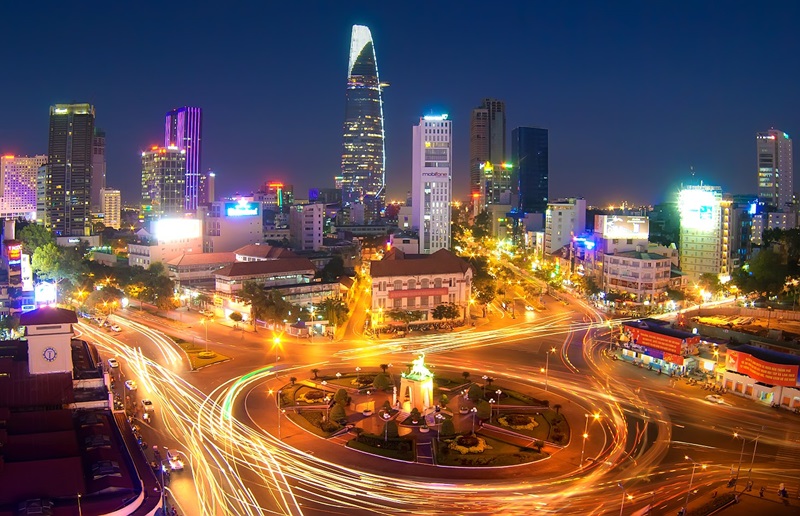


Best Time to Visit Hoi An: Weather, Seasons & Festivals

Imagine strolling through ancient, mustard-yellow streets illuminated by thousands of colorful silk lanterns. A gentle evening breeze perfectly complements this magical scene. However, arriving during peak typhoon season can quickly ruin things. In fact, it turns this dream vacation into a soggy, flooded reality. Therefore, many travelers feel unsure about when to book their flights. Finding the best time to visit hoi an requires careful planning. Specifically, you must understand local climate shifts. This comprehensive guide breaks down seasonal patterns and month-by-month conditions. As a result, you can easily choose the perfect dates for your Vietnamese getaway. Let us explore exactly when to pack your bags. Furthermore, we will uncover the secrets of local festivals. Consequently, your itinerary will perfectly match the local weather patterns.
1. Understanding Hoi An’s Climate: Dry Season vs. Wet Season
Overview of the Tropical Climate
Central Vietnam features a distinct tropical monsoon climate. Consequently, the weather behaves differently than in northern or southern regions. The city experiences two primary seasons throughout the year. Specifically, these are the dry season and the wet season. Average annual temperatures hover around 29 degrees Celsius. Furthermore, humidity levels remain relatively high year-round. Understanding these patterns helps you plan a comfortable trip.
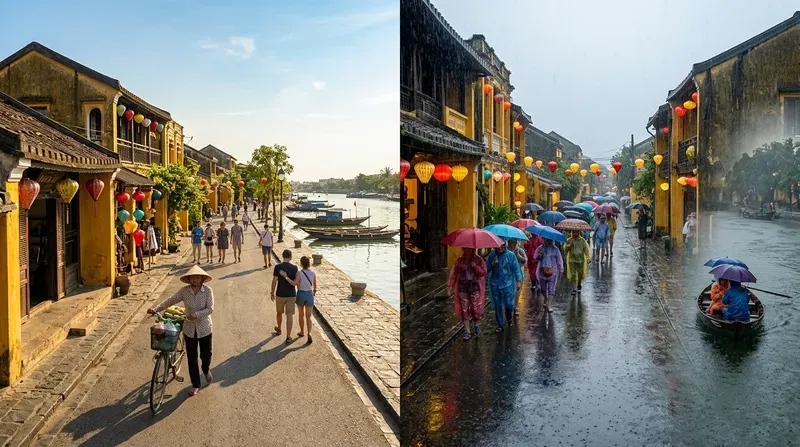
Additionally, the region’s geography heavily influences its daily weather. The nearby Truong Son mountain range blocks certain weather systems. As a result, Hoi An enjoys a unique microclimate. Travelers must always check local forecasts before arriving. Interestingly, the coastal breeze constantly moderates the inland heat. Therefore, evenings usually feel much cooler than the hot afternoons.
Exploring the Hoi An Dry Season
If you are wondering about the best time to visit Hoi An, the dry season running from February to August is an excellent choice. During these months, travelers enjoy abundant sunshine and clear skies. Initially, humidity stays quite low between February and April. Therefore, outdoor exploration feels incredibly pleasant. However, peak summer heat arrives by June and lasts through August. During this time, temperatures frequently soar above 35 degrees Celsius. Consequently, this period is absolutely ideal for beach days.
Furthermore, the ocean water remains warm and inviting. Many visitors flock to An Bang Beach for swimming. Notably, early morning visits help you avoid the intense midday sun. You can also enjoy peaceful cycling tours before breakfast. Moreover, the dry roads make renting a scooter much safer. Therefore, adventurous travelers love exploring the surrounding countryside.
On the other hand, while many consider the dry season the best time to visit Hoi An, the wet season spans from September to January. This period brings frequent rainfall and notably cooler temperatures. Moreover, occasional monsoons sweep through the coastal region. As a result, the surrounding countryside transforms into lush, vibrant greenery. Interestingly, this season offers significantly fewer tourist crowds. Therefore, budget travelers often find excellent deals on accommodations.
However, you must remain prepared for sudden downpours. Carrying an umbrella becomes absolutely essential during these months. Specifically, November usually records the highest rainfall totals. Consequently, the Thu Bon River often swells beyond its banks. Despite the rain, the ancient town retains a moody, romantic charm. Photographers often capture stunning reflections in the wet cobblestone streets.
2. The Best Time to Visit Hoi An: A Month-by-Month Guide
Spring (February to April)
Spring is undeniably the best time to visit hoi an. During these months, you will experience moderate temperatures. Furthermore, humidity levels remain comfortably low. Therefore, walking through the ancient town feels effortless. Clear skies provide perfect conditions for cycling through rice paddies. Additionally, rainfall is extremely rare during this golden window. Many travelers consider March the absolute peak for ideal weather.
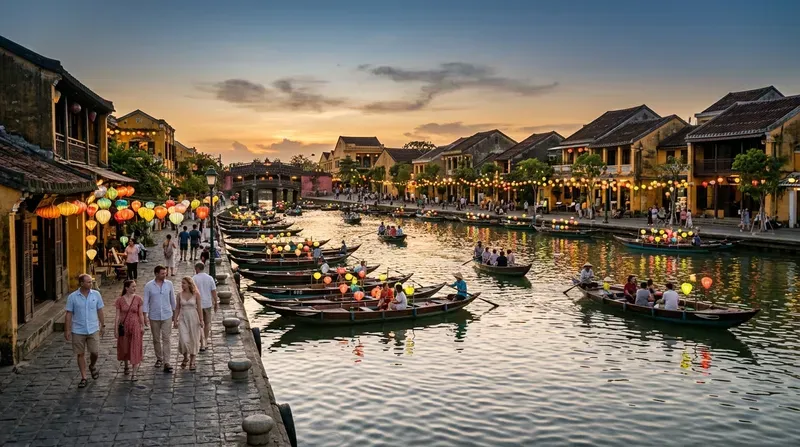
Consequently, you should book your hotels well in advance. In fact, the pleasant weather makes outdoor dining spectacular. You can enjoy fresh seafood by the river every evening. Moreover, the surrounding countryside bursts with colorful spring flowers. Photographers will find endless inspiration during these clear days. Specifically, the morning light creates a magical golden hue.
Summer (May to August)
For beach lovers, summer is often considered the best time to visit Hoi An, even though it brings intense heat and high humidity to the region. Specifically, temperatures peak between June and August. Therefore, midday sightseeing requires frequent iced coffee breaks. However, this season remains fantastic for coastal activities. You can spend long afternoons at pristine local beaches. Moreover, ocean breezes provide welcome relief from the sweltering heat.
Notably, you must stay hydrated while exploring outdoor attractions. Early morning and late evening are best for town walks. Additionally, the warm ocean water is perfect for snorkeling. Many visitors take day trips to the nearby Cham Islands. Specifically, July offers excellent underwater visibility for divers.
However, you must apply high-SPF sunscreen constantly. The tropical sun can cause severe sunburns very quickly. As a result, wearing a wide-brimmed hat is mandatory. Furthermore, seeking air-conditioned restaurants during lunch is highly recommended. This strategy helps you avoid the worst of the afternoon heat.
Autumn (September to November)
Autumn marks the beginning of the rainy season. Understanding Hoi An weather by month is crucial here. September sees a gradual increase in unpredictable showers. Meanwhile, October and November bring heavy, persistent rainfall. As a result, you must maintain flexible travel plans. Furthermore, cooler evenings require packing a light jacket.
Despite the rain, indoor attractions remain fully accessible. You can easily spend hours inside cozy local cafes. Notably, the heavy rains can disrupt outdoor tours. Therefore, booking flexible tickets is a smart strategy. Furthermore, the lush scenery makes countryside drives incredibly scenic. You will see vibrant green rice fields everywhere.
Interestingly, the rain often falls in short, heavy bursts. Consequently, you can still explore during dry spells. However, you should always carry a waterproof bag for electronics. This simple precaution saves many phones from sudden water damage.
Winter (December to January)
Winter weather transitions toward cooler, drier conditions. Specifically, January sees a significant drop in rainfall. However, temperatures can feel surprisingly chilly at night. Therefore, packing layers is highly recommended for evening strolls. Moreover, the skies often remain overcast during these months. Interestingly, the cooler climate makes eating hot noodle soups delightful.
Additionally, tourist numbers begin to rise ahead of the Lunar New Year. Overall, winter offers a comfortable, atmospheric travel experience. Furthermore, the festive atmosphere leading up to Tet is infectious. The streets are decorated with bright yellow apricot blossoms. As a result, the entire town feels vibrant and alive.
Notably, you might experience occasional light drizzle in December. However, it rarely ruins a full day of sightseeing. Therefore, winter remains a popular choice for many international tourists. Specifically, European travelers love escaping their harsh winters here.
3. Hoi An Lantern Festival Dates & Cultural Events
The Magic of the Full Moon
The monthly Full Moon Lantern Festival is truly spectacular. Specifically, it takes place on the 14th day of every lunar month. During this evening, the ancient town turns off its streetlights. Instead, thousands of colorful silk lanterns illuminate the streets. Furthermore, locals release small paper lanterns onto the river. As a result, the water glows with beautiful, flickering lights.
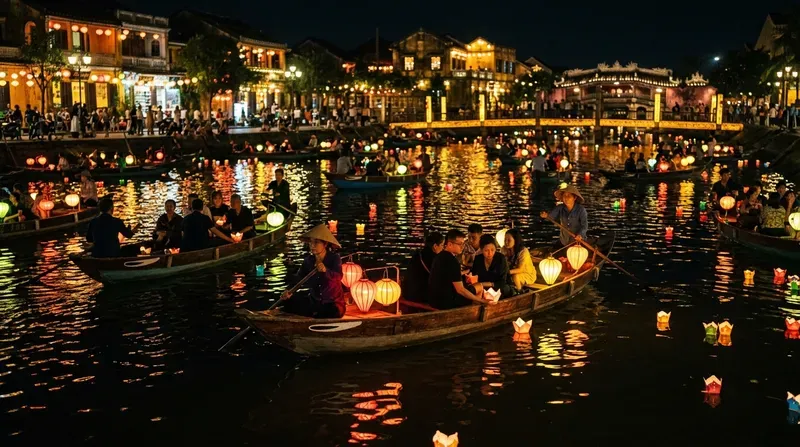
This magical tradition honors ancestors and brings good luck. Therefore, timing your trip around this event is highly recommended. Additionally, traditional music performances take place along the riverbanks. You can hear hauntingly beautiful folk songs echoing through town. Interestingly, motorbikes are completely banned from the center during the festival. This creates a peaceful, pedestrian-friendly environment.
Tracking Festival Dates
When planning your trip around the lunar calendar, you’ll find that the best time to visit Hoi An for the lantern festival requires some careful scheduling. Because lunar dates shift annually, you must check current schedules. In 2026, the best festivals occur during the dry season. Specifically, the March and April full moons offer clear skies. Therefore, you can enjoy rain-free night skies for photography.
However, attending during the wet season carries some weather risks. Sudden downpours can quickly extinguish the delicate paper lanterns. Consequently, planning a dry season visit ensures the best experience. Furthermore, many hotels provide updated festival calendars for guests. You can easily ask your receptionist for the exact timing.
Notably, arriving early helps you secure a good viewing spot. The riverbanks become extremely crowded by sunset. Therefore, reserving a balcony table at a riverside restaurant is brilliant. This allows you to watch the festivities comfortably from above.
Other Notable Cultural Events
Beyond the lantern festival, the city hosts other cultural events. Most importantly, the Lunar New Year brings massive celebrations. This holiday usually falls in late January or early February. Moreover, the Mid-Autumn Festival in September is incredibly vibrant. During this time, children parade through streets with glowing toys.
Additionally, you might encounter local temple festivals throughout the year. These events feature traditional music, vibrant dances, and delicious food. As a result, cultural enthusiasts will always find something exciting. Specifically, the Tet holiday transforms the entire region. Locals decorate their homes with bright flowers and red banners.
However, many shops close for several days during Tet. Therefore, you must plan your dining options carefully. Furthermore, booking transportation during this holiday requires extreme advance notice. Trains and buses sell out weeks before the actual date.
Identifying the Riskiest Months
Determining the worst time to visit requires looking at rainfall data. Typically, October and November represent the riskiest travel months. During this period, the region experiences its highest rainfall. Furthermore, consecutive days of heavy rain are quite common. As a result, outdoor sightseeing becomes incredibly difficult. Many travelers find themselves confined to their hotel rooms.

Therefore, booking a trip during late autumn requires careful consideration. Specifically, the constant dampness can make walking uncomfortable. You will definitely need sturdy, waterproof footwear. Moreover, boat tours are frequently canceled due to rough waters. Consequently, your itinerary might require sudden, unexpected changes.
Additionally, the lack of sunlight can affect your vacation mood. Photographers often struggle to find good lighting during these gloomy days. Therefore, sun-seekers should absolutely avoid traveling during late autumn.
Understanding Typhoon Season Realities
Peak typhoon season brings severe weather threats to the coast. Specifically, powerful storms can strike Central Vietnam during autumn. These typhoons bring torrential rain and dangerous wind speeds. Consequently, flooding in the low-lying Ancient Town happens frequently. The river often overflows, submerging streets under several feet of water.
Moreover, businesses must temporarily close until the floodwaters recede. Therefore, travel disruptions are highly likely during a major storm. In fact, historical buildings are specifically designed for flood resilience. Locals simply move their belongings to the second floor.
However, tourists might find this experience quite stressful. Therefore, avoiding October is generally the safest bet. Furthermore, flights into nearby Da Nang airport often face severe delays. You could easily lose two full days of your vacation.
Safety During the Rainy Season
Is it safe to visit during the rainy season? Generally, yes, if you take proper precautions. However, you must stay updated on local weather warnings. Additionally, choosing accommodations on higher ground is a smart move. Many modern resorts are built to withstand heavy flooding.
Furthermore, always follow the advice of local authorities during storms. Interestingly, the locals are highly experienced in managing these floods. As a result, the town recovers surprisingly fast after a storm. Notably, downloading a reliable weather app is essential. You can track incoming storms and plan accordingly.
Additionally, purchasing comprehensive travel insurance is highly recommended. This protects your investment if flights are suddenly canceled. Therefore, you can travel with peace of mind despite the weather.
5. Maximizing Your Trip: Itineraries and Tours
Crafting Your Perfect Schedule
Creating a balanced schedule ensures a memorable vacation. A well-planned hoi an travel itinerary 3 days works perfectly. You can structure your days to maximize different experiences:

- Day one: Explore historic merchant houses and iconic bridges.
- Day two: Enjoy peaceful countryside cycling through local villages.
- Day three: Relax completely at pristine local beaches.
However, you must adjust this schedule based on the season. During summer, shift outdoor activities to the early morning.
Furthermore, dedicating time to local cafes is a must. You can sample delicious Vietnamese egg coffee while people-watching. Interestingly, the town’s atmosphere changes completely after dark. Therefore, leaving your evenings open for spontaneous walks is wise. Specifically, the night market offers incredible street food options.
Additionally, you should rent a bicycle to explore the outskirts. The flat terrain makes cycling incredibly easy for all ages. As a result, you can discover hidden temples away from the crowds.
Benefits of Guided Exploration
Navigating unpredictable weather can be quite challenging, regardless of what you consider the best time to visit Hoi An. Therefore, booking a Hoi An private tour offers distinct advantages. A local guide can easily adjust plans when rain strikes. Moreover, they know the best indoor spots to wait out showers. Private transportation keeps you dry and comfortable between attractions.
Furthermore, guides provide fascinating historical context you might otherwise miss. As a result, you maximize your sightseeing efficiency significantly. This personalized approach guarantees a stress-free travel experience. Additionally, private tours often include exclusive access to certain sites. You can avoid the massive crowds at popular temples.
Notably, your guide can also recommend the best local restaurants. This helps you avoid overpriced tourist traps. Consequently, the extra cost of a private guide is worthwhile. Furthermore, they can arrange seamless airport transfers for your arrival.
Indoor and Early Morning Alternatives
While seasonal patterns often dictate the best time to visit Hoi An, rainy days require excellent indoor activity alternatives. Fortunately, the city offers world-class cooking classes. You can learn to make delicious local dishes indoors. Additionally, participating in a lantern-making workshop is highly entertaining. Many visitors also spend rainy afternoons at custom tailor shops.
On the other hand, the hot dry season requires different strategies. Specifically, early morning outdoor excursions are absolutely vital. You should visit popular outdoor markets right at sunrise. Moreover, visiting local museums provides great shelter from the rain. The Precious Heritage Art Gallery is a fantastic indoor option.
Furthermore, getting a traditional Vietnamese massage is incredibly relaxing. It perfectly cures the fatigue of a long travel day. Interestingly, early morning photography walks yield the best lighting. Therefore, setting your alarm for 5 AM pays off immensely. Consequently, you capture stunning photos without the massive tourist crowds.
6. What to Pack for Hoi An Weather
Dry Season Essentials
Packing correctly for the dry season ensures maximum comfort. You need items that combat the intense tropical heat effectively:

- Breathable linen and cotton clothing for daily wear.
- High-SPF sunscreen to prevent severe tropical sunburns.
- Polarized sunglasses to