




Best Time to Visit Danang: Ultimate Travel Guide 2026

Introduction: When is the best time to visit Danang? Imagine basking in the sun on Danang’s stunning beaches or exploring vibrant festivals—when is the best time to make this happen?
Planning a trip without knowing the ideal season can lead to weather surprises, crowded attractions, or missing out on local festivals. Whether you want lazy days on the beach or lively cultural events, timing is everything. The best time to visit Danang depends on weather, festivals, and outdoor activities.
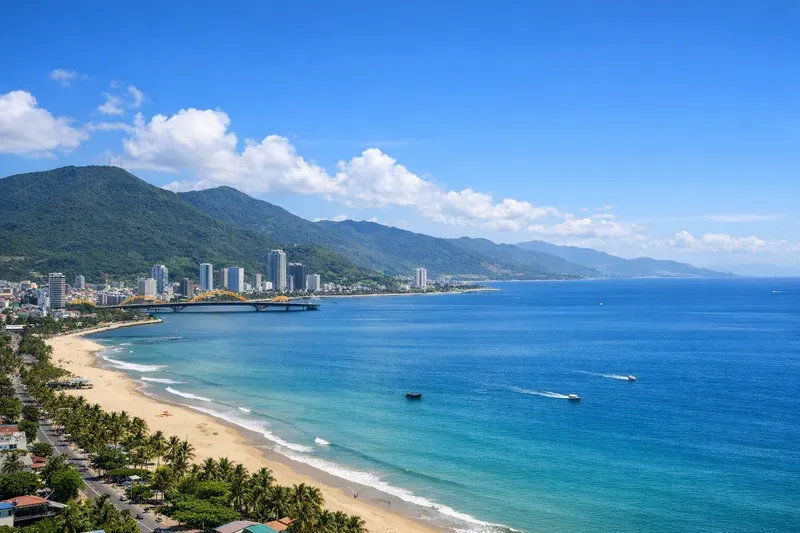
In this guide, you’ll discover the perfect months for sunshine, festivals, and outdoor adventures. From understanding Danang’s climate to insider tips on avoiding the rainy season, you’ll be ready to plan an unforgettable trip. Let’s explore when to visit Danang for the best experience.
1. Understanding Danang’s Climate and Seasonal Weather Patterns
Danang has a tropical monsoon climate, meaning it experiences distinct dry and rainy seasons. This climate shape how you plan your visit and what to expect weather-wise. The dry season typically runs from February to August, offering sunny days perfect for outdoor fun. Conversely, the rainy season spans from September to January, bringing heavy showers and sometimes storms.

Temperatures in Danang usually hover between 25°C and 35°C year-round. During peak summer months, the heat can feel intense, especially in April and May. However, the coastal breeze often provides some relief. In winter, from December to February, the weather cools slightly but stays mild, making it comfortable for sightseeing.
Additionally, monsoon winds influence weather patterns, bringing heavy rains and humidity. Typhoons are also a concern, mainly during late summer and early autumn. These storms can disrupt travel plans, cause cancellations, and pose safety risks. Therefore, understanding Danang’s climate helps travelers choose the best time to visit and avoid weather-related issues.
2. Best Months to Visit Danang for Good Weather and Outdoor Activities
Most travelers agree that the peak months for visiting Danang are from February to August. During this period, the weather is warm, dry, and sunny—ideal for beaches, water sports, and outdoor adventures. Specifically, April to June offers the most pleasant conditions, with less humidity and fewer rain showers.

Furthermore, these months are perfect for exploring outdoor attractions like Marble Mountains or Ba Na Hills. The sea is calm, making it great for swimming, surfing, or taking boat trips. Additionally, the weather during this period enhances the experience of outdoor festivals and cultural events.
However, shoulder seasons—March-April and September—offer advantages too. Visiting during these times means fewer crowds and often better deals on accommodations. Plus, the weather remains quite favorable for sightseeing and outdoor activities, making them excellent options for flexible travelers looking for the Best Time to Visit Danang.
Advantages of Visiting During Shoulder Seasons
When considering the Best Time to Visit Danang, March and April stand out as top choices. The weather is warm but not overly hot, and the rainy season hasn’t fully started. Similarly, September offers a transition period where rain begins to decrease, and the weather stays relatively mild.
By choosing these months, travelers can enjoy popular spots without the crowds. Moreover, outdoor attractions like My Khe Beach or the Dragon Bridge are more accessible and less congested. Planning your trip during these shoulder seasons ensures a comfortable, enjoyable experience with fewer tourists.
3. Avoiding Typhoon Season and Understanding Weather Risks
While Danang is a beautiful destination year-round, typhoon season from October to November can pose challenges. During these months, the region faces increased weather risks, including heavy rain, strong winds, and potential flooding. Typhoons can cause flight delays, cancellations, and outdoor activity restrictions.

Therefore, if you want to enjoy outdoor adventures without weather worries, it’s best to avoid planning trips during these months. Monitoring weather forecasts becomes essential, especially if you’re traveling during late autumn. Many travelers prefer to skip the peak typhoon months for peace of mind and safety.
Moreover, weather impacts are not limited to storms. Heavy rains can lead to muddy roads, closed attractions, and disrupted transportation. Planning your trip outside the typhoon season ensures smoother travel and more enjoyable outdoor experiences.
Tips for Traveling During Weather Risks
- Always check updated weather forecasts before departure.
- Have flexible plans to accommodate potential weather disruptions.
- Consider travel insurance that covers weather-related cancellations.
By understanding these risks, you can better prepare and choose a safer, more enjoyable time to visit Danang.
4. Festivals and Cultural Events to Consider When Planning Your Trip
Timing your trip to coincide with local festivals can enrich your experience in Danang. The Danang International Fireworks Festival, held every June, is a spectacular event attracting visitors worldwide. Bright displays light up the sky over the Han River, creating unforgettable memories.

Another major celebration is Tet, Vietnam’s Lunar New Year, usually in late January or early February. During Tet, the city is alive with traditional performances, parades, and markets. Participating in Tet festivities offers a deep cultural immersion and a chance to see local customs firsthand.
Additionally, the Danang Lantern Festival, held in the city’s streets and riverbanks, showcases colorful lantern displays and traditional music. Local markets and traditional performances also add to the vibrant cultural scene. Planning your visit around these events can make your trip more memorable and authentic.
Seasonal Events and Their Best Visiting Times
For instance, attending the Fireworks Festival in June aligns perfectly with the dry season, ensuring good weather for outdoor viewing. Meanwhile, experiencing Tet offers a glimpse into Vietnam’s rich cultural traditions, which are especially lively during the Lunar New Year.
Therefore, consider your interests—whether it’s fireworks, cultural festivals, or traditional markets—when planning your trip. These events can significantly enhance your experience in Danang and nearby Hoi An, making it a crucial factor in deciding the Best Time to Visit Danang for your perfect getaway.
5. Travel Tips for Different Seasons: Packing, Planning, and Activities
Traveling during the dry season means packing light beachwear, sunglasses, and sun protection. Don’t forget hats, sunscreen, and lightweight clothing to stay comfortable under the sun. If you plan outdoor adventures, bring sturdy shoes for hiking or exploring caves.

During the rainy season, pack a good raincoat, waterproof shoes, and quick-drying clothes. An umbrella is also handy for sudden showers. Despite the rain, many indoor attractions, such as museums or cultural sites, remain open and enjoyable.
Moreover, each season offers unique activities. The dry season is perfect for beach lounging, water sports, and outdoor sightseeing. Conversely, the rainy season is better suited for cultural tours, cooking classes, or visiting indoor markets. Planning ahead and understanding the Best Time to Visit Danang for your specific interests ensures you make the most of your trip regardless of the weather.
Tips to Avoid Peak Crowds
- Travel during shoulder seasons for fewer tourists.
- Visit popular sites early in the morning or late afternoon.
- Book accommodations and tours in advance for better rates and availability.
These strategies help you enjoy Danang’s attractions without the hassle of large crowds.
6. Best Time for Beach Activities, Sightseeing, and Outdoor Adventures
The dry season, from February to August, is ideal for beach activities, water sports, and outdoor excursions. During these months, the sea is calm, and the weather is sunny and warm. It’s perfect for lounging on My Khe Beach or trying surfing and paddleboarding.

Spring and early summer are excellent for exploring attractions like Marble Mountains, Ba Na Hills, and the city’s vibrant streets. The clear skies and warm weather make sightseeing more enjoyable and comfortable.
Autumn, especially September and October, offers a different charm. The weather remains relatively dry, and you can enjoy cultural festivals or quieter visits to popular spots. This season combines good weather with fewer tourists, making it a great time for outdoor adventures.
Activities to Prioritize by Season
- Dry season: beaches, water sports, hiking, outdoor tours.
- Spring: mountain trips, city sightseeing, cultural tours.
- Autumn: festivals, less crowded attractions, scenic drives.
Timing your activities to the season ensures a more comfortable and memorable experience in Danang.
7. Planning a 4-Day Itinerary in Danang and Hoi An for Optimal Experience
To make the most of your trip, a well-planned 4-day itinerary is essential. Focus on weather-friendly days, with sightseeing and outdoor activities scheduled during the dry season. Start with a day exploring Danang’s beaches and iconic sights like the Dragon Bridge.
On the second day, visit the Marble Mountains and Ba Na Hills, taking advantage of clear weather for outdoor exploration. The third day can be dedicated to cultural experiences, local markets, and the Danang Museum. Finish with a day trip to Hoi An, exploring its ancient streets and lantern-lit evenings.
For detailed planning that aligns perfectly with the Best Time to Visit Danang, check out the 4-day Danang-Hoi An itinerary. It offers tailored suggestions for seasonal weather and local highlights.
Remember, balancing outdoor activities with cultural visits during favorable weather maximizes your experience. Flexibility is key, especially if weather conditions change unexpectedly.
Conclusion
Understanding Danang’s climate, festivals, and seasonal weather patterns helps you choose the perfect time to visit. Whether you want sunny beaches, cultural festivals, or outdoor adventures, planning around the dry season and avoiding typhoon months ensures a safe, enjoyable trip.
Most importantly, consider local events and weather forecasts to optimize your experience. With the right timing, your trip to Danang can be truly unforgettable. Start planning today and explore our Da Nang private tour options for personalized experiences. Don’t forget to check out the detailed 4-day itinerary for an unforgettable journey!