




Best Gluten Free Restaurants in Hoi An: 2026 Guide
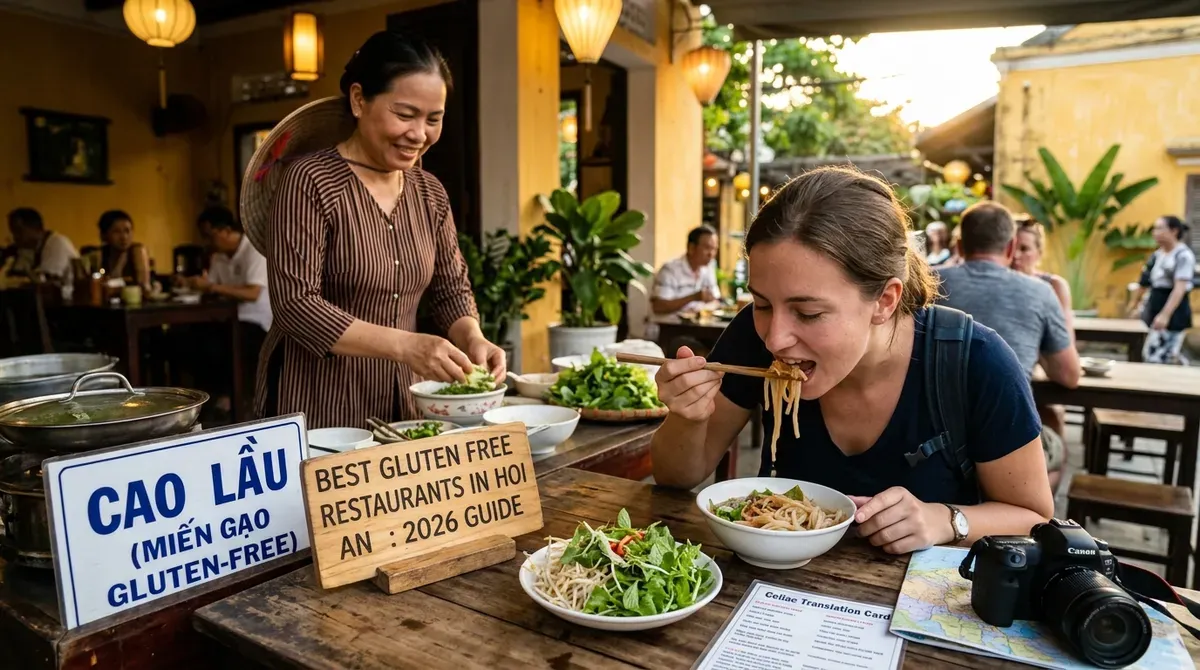
Imagine wandering through lantern-lit streets, surrounded by the mouth-watering aromas of sizzling meats and rich broths. Vietnam’s culinary capital is famous for its banh mi and noodles. However, for Western tourists with celiac disease, navigating this food scene feels like walking through a minefield. Finding the best gluten free restaurants in hoi an requires careful planning and local knowledge. While Vietnamese cuisine is heavily rice-based, hidden wheat lurks everywhere.
Specifically, marinades, bouillon cubes, and cross-contamination at street food stalls make eating out highly stressful. Therefore, strict dietary needs demand extra vigilance during your travels. This comprehensive 2026 guide reveals exactly where to eat safely. Furthermore, we feature a curated list of celiac-friendly spots. Additionally, you will learn practical tips for decoding local menus.
Ultimately, you can ensure a completely symptom-free vacation. Most importantly, preparation transforms a stressful trip into a culinary delight. For instance, learning essential Vietnamese phrases empowers you to order with confidence. Consequently, you will experience the vibrant flavors of Central Vietnam without fear. Let us explore how to navigate this beautiful city safely.
The Illusion of a Rice-Based Culture
Many travelers assume Southeast Asia is a safe haven for wheat allergies. In fact, the local food culture relies heavily on rice noodles and rice paper. Therefore, ‘mostly rice’ seems like an automatic green light for celiacs. However, this assumption is dangerously incorrect. Specifically, modern Vietnamese cooking frequently incorporates wheat-based ingredients behind the scenes.
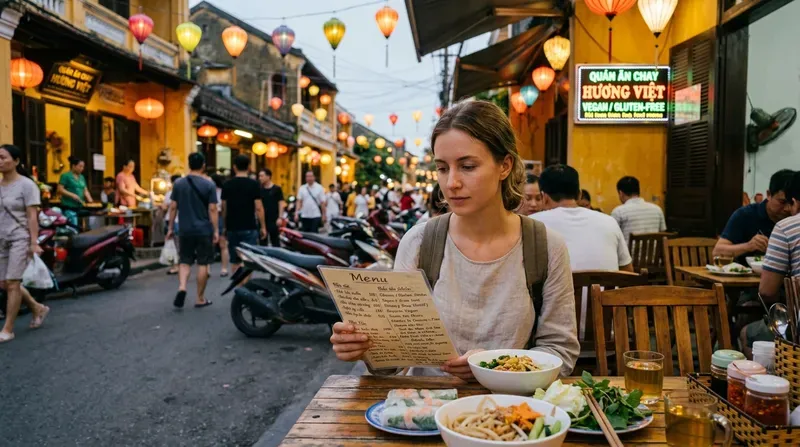
Consequently, a simple bowl of pho might contain hidden dangers. Moreover, street vendors often use shared pots and utensils. As a result, cross-contamination happens constantly in busy kitchens. Furthermore, the French colonial influence left a lasting legacy of wheat consumption. For example, baguettes and wheat pastries are daily staples for locals.
Meanwhile, commercial sauces have largely replaced traditional, pure ingredients in cheap eateries. Notably, these mass-produced condiments almost always contain wheat thickeners. Therefore, relying solely on the “rice-based” stereotype will inevitably lead to illness. Ultimately, tourists must look beyond the primary ingredients of any dish.
Celiac Disease vs. Lifestyle Trends
Local awareness regarding celiac disease remains incredibly low in 2026. Most importantly, chefs often confuse severe autoimmune conditions with trendy lifestyle diets. Therefore, simply asking for a wheat-free meal rarely guarantees safety. Furthermore, many locals do not understand that a crumb of bread causes severe illness.
In contrast, Western countries have strict labeling laws and allergy protocols. Meanwhile, Vietnam’s culinary landscape operates on tradition and fast-paced service. Consequently, you must advocate fiercely for your health at every meal. Additionally, restaurant staff might remove a wheat ingredient but ignore the contaminated sauce.
Specifically, they might pick croutons off a salad and serve it to you. Therefore, explaining the concept of cross-contamination is your biggest hurdle. In fact, severe food allergies are practically unheard of in rural Vietnamese communities. As a result, patience and clear communication are absolutely vital.
Hidden Sources of Gluten
Hidden sources of wheat plague traditional Vietnamese recipes. For instance, Maggi seasoning is a staple in almost every local kitchen. Sadly, this popular condiment contains significant amounts of wheat. Additionally, cheap soy sauce frequently replaces traditional fish sauce in marinades. Furthermore, vendors often reuse cooking oils across different dishes.
Specifically, oil used to fry wheat-battered spring rolls might cook your vegetables next. Therefore, identifying these hidden traps is crucial for your safety. According to the Celiac Disease Foundation, even trace amounts of gluten can trigger severe intestinal damage. Consequently, you must question every single component of your meal.
Moreover, bouillon cubes are universally used to flavor broths and stir-fries. Notably, these commercial flavor enhancers usually contain wheat starch. On the other hand, traditional bone broths simmered for hours are naturally safe. Ultimately, finding kitchens that cook from scratch is your best defense.
2. The Best Gluten Free Restaurants in Hoi An
Dedicated Celiac-Friendly Spots
Finding completely safe kitchens in Central Vietnam is challenging but possible. Fortunately, the best gluten free restaurants in hoi an prioritize strict cross-contamination protocols. Specifically, these dedicated spots maintain separate preparation areas for allergy orders. Moreover, the staff undergoes rigorous training regarding autoimmune conditions. Therefore, you can finally relax and enjoy your meal.
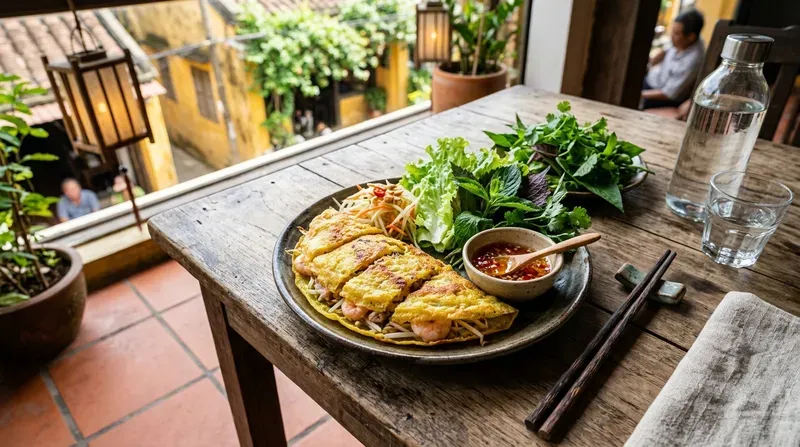
In fact, a few pioneering cafes now operate entirely wheat-free kitchens. As a result, these establishments offer total peace of mind for anxious travelers. Additionally, their menus clearly highlight safe ingredients and sourcing methods. Furthermore, these venues often cater specifically to Western tourists with dietary needs. Consequently, their hygiene standards match international expectations.
You will discover several delightful cafes near the Ancient Town. For instance, some venues specialize in wholesome, allergy-friendly breakfast bowls. Furthermore, they source certified safe oats and grains. Notably, these dedicated celiac-friendly spots often wash their pans in separate sinks. Meanwhile, the chefs use distinct cutting boards for safe orders.
Consequently, the risk of accidental exposure drops to zero. Most importantly, these restaurants understand the severity of your dietary restrictions. Therefore, they never cut corners during food preparation. Ultimately, these dedicated eateries will become your daily go-to spots during your vacation.
Western and Fusion Eateries
Sometimes, you simply crave familiar comfort food after weeks of rice dishes. Luckily, several Western and fusion eateries cater to strict diets. Specifically, you can find places serving authentic gluten free banh mi Hoi An. Therefore, you do not have to miss out on this iconic sandwich. Furthermore, dedicated bakers use rice flour blends to create fluffy baguettes.
Additionally, these cafes offer imported GF pasta and handmade pizza crusts. As a result, your Italian food cravings are easily satisfied. Moreover, these fusion restaurants excel at modifying their standard menus. For example, they substitute regular soy sauce with tamari upon request. Furthermore, they bake their safe breads in dedicated ovens to prevent cross-contamination.
In fact, many expat-owned establishments import certified safe ingredients from Australia. Therefore, the quality and taste rival anything you would find back home. Furthermore, the English-speaking staff easily grasps complex allergy requests. Consequently, ordering becomes a stress-free experience. Notably, these venues often feature vibrant, air-conditioned dining rooms.
Meanwhile, their extensive menus provide a welcome break from traditional local fare. Specifically, you can enjoy safe burgers, wraps, and hearty salads. Ultimately, these Western eateries provide a crucial safety net for sensitive stomachs. Therefore, bookmarking these locations ensures you never go hungry.
Upscale Vietnamese Dining
Upscale dining offers another excellent avenue for safe eating. Specifically, the best restaurants in Hoi An for allergies feature highly trained culinary teams. Moreover, these premium establishments employ fluent English speakers. Therefore, communicating your severe dietary needs is straightforward. In fact, executive chefs at these venues gladly modify traditional dishes.
As a result, you can experience authentic flavors without the associated risks. Furthermore, upscale kitchens maintain impeccable hygiene standards. Notably, fine dining venues often use premium, traditional fish sauce instead of cheap soy substitutes. Additionally, authentic Vietnamese fish sauce is naturally safe. Consequently, their marinades and dressings pose much less risk.
Furthermore, these restaurants prepare meals entirely from scratch. Therefore, they avoid pre-packaged bouillon cubes containing hidden wheat. Meanwhile, the waitstaff will double-check every ingredient with the kitchen. Specifically, they understand that your health is their top priority. Ultimately, these upscale spots deliver a memorable and safe culinary adventure.
For instance, you can safely enjoy complex dishes like caramelized clay pot fish. Moreover, the chefs can prepare safe versions of local specialties. Additionally, the elegant ambiance makes these dinners truly special. Consequently, investing in a few high-end meals greatly enhances your travel experience.
3. Top Vegan Restaurants in Hoi An with Gluten-Free Menus
Why Plant-Based Cafes Are Safer
Plant-based cafes often serve as safe havens for travelers with severe allergies. Specifically, health-conscious kitchens naturally prioritize ingredient transparency. Moreover, these establishments frequently cater to diverse dietary restrictions. Therefore, they understand the critical difference between a preference and an allergy. In fact, many vegan chefs actively avoid highly processed ingredients.
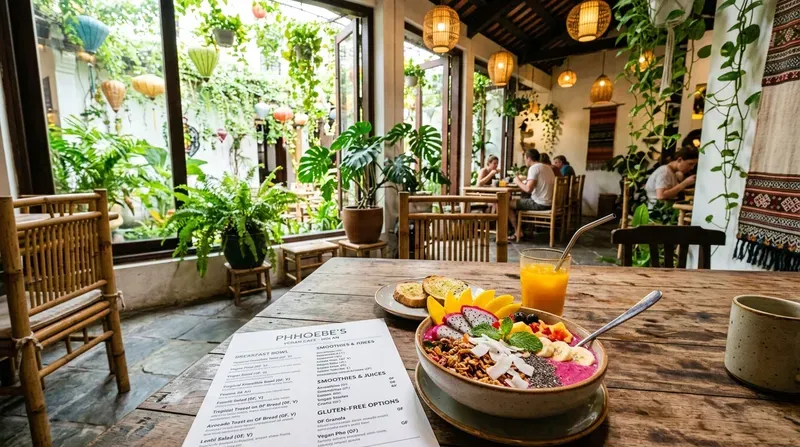
As a result, their kitchens naturally contain fewer hidden wheat sources. Furthermore, the staff usually speaks excellent English. Consequently, discussing cross-contamination protocols is much easier. Additionally, these cafes often attract a wellness-focused clientele. Therefore, accommodating special requests is simply part of their daily routine.
Notably, vegan kitchens frequently use tamari or coconut aminos instead of soy sauce. Furthermore, they rely on nuts, seeds, and fresh vegetables for flavor. Meanwhile, traditional street food relies heavily on cheap, wheat-laden condiments. Ultimately, dining at plant-based venues significantly reduces your daily anxiety.
Curated Vegan & Allergy-Friendly Eateries
Today, you will find an impressive selection of vegan and gluten free restaurants in hoi an. Notably, these curated eateries clearly label safe options directly on their menus and use standardized icons to indicate wheat-free meals, meaning that scanning for suitable choices takes mere seconds. Additionally, these cafes often train their staff rigorously on cross-contamination protocols. Because they stock high-quality tamari and other safe condiments, you can completely trust their food preparation methods.
In fact, many of these venues grow their own organic herbs, ensuring the freshness of their ingredients is unparalleled. The vibrant atmosphere also makes dining here a true pleasure. You can relax in lush courtyard gardens while enjoying your meal, and since these restaurants often double as community hubs for expats, you might even pick up valuable tips from other travelers. Ultimately, these spots offer a perfect blend of dietary safety and welcoming ambiance.
Highlighting Specific Safe Dishes
The variety of safe plant-based dishes is truly remarkable. For instance, you can enjoy vibrant GF smoothie bowls topped with safe granola. Moreover, fresh rice paper wraps filled with organic tofu are incredibly popular. Additionally, these cafes excel at creating gluten-free vegan desserts. Specifically, they bake decadent brownies using cassava or almond flour.
Furthermore, you can sip on safely brewed kombucha alongside your meal. Consequently, you never feel deprived while dining at these establishments. Notably, many cafes serve incredible mushroom-based faux meats. Therefore, you can experience the texture of traditional dishes safely. Meanwhile, their vibrant salads feature safe, homemade dressings.
In fact, the creativity of these plant-based chefs is astounding. As a result, even non-vegans thoroughly enjoy these meals. Furthermore, starting your day with a safe, hearty vegan breakfast provides lasting energy. Ultimately, these specific dishes provide both exceptional nutrition and immense flavor.
4. Naturally Gluten-Free Vietnamese Food & Hidden Street Food Risks
Identifying Safe Traditional Dishes
Traditional Vietnamese cuisine boasts many inherently safe dishes. Specifically, finding authentic gluten free pho Hoi An is entirely possible. Moreover, fresh spring rolls, known as Goi Cuon, utilize pure rice paper. Therefore, these translucent rolls are usually a fantastic choice. Additionally, plain steamed rice served with grilled seafood offers a reliable meal.
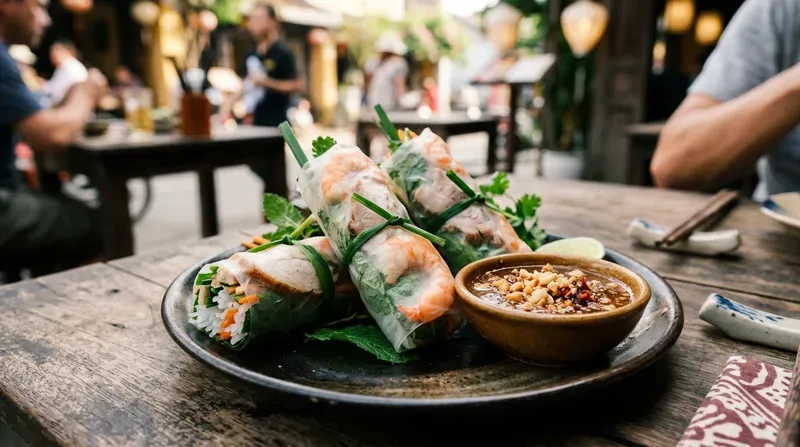
In fact, many local seafood restaurants grill their catch simply with salt and chili. As a result, you avoid complex, risky marinades. Furthermore, rice noodle salads present a refreshing, safe option. However, you must always request the dressing on the side. Notably, traditional recipes rely heavily on fresh herbs and lime juice for flavor.
Consequently, these natural ingredients pose zero risk to celiacs. Furthermore, pure rice porridge, called Chao, is a comforting and safe breakfast. Meanwhile, fresh fruit platters are ubiquitous and completely risk-free. Most importantly, sticking to whole, unprocessed foods greatly reduces your anxiety.
Specifically, you should seek out vendors who specialize in a single, simple dish. Therefore, the risk of cross-contamination from other menu items is minimized. Additionally, steamed vegetables with plain rice is a universally safe backup plan. Ultimately, identifying these naturally safe staples keeps you well-fed during your trip.
The Banh Xeo Dilemma
The famous crispy Vietnamese pancake presents a unique challenge. Traditionally, Banh Xeo is made purely with rice flour, water, and turmeric powder, which should make it completely safe for celiacs. However, modern street vendors often cut their batter with wheat flour to make the pancake crispier and cheaper to produce. As a result, this beloved dish becomes a hidden hazard. Since vendors rarely disclose this secret ingredient, ensuring your Banh Xeo is safe requires direct questioning—you often have to ask the vendor to show you their flour packaging.
Because upscale venues and dedicated gluten free restaurants in hoi an are much more likely to stick to traditional, pure rice recipes, avoiding street stalls for this specific dish is highly recommended. Alternatively, you can find dedicated cooking classes that teach the authentic recipe. Making it yourself guarantees absolute safety, allowing you to enjoy this crispy delight without fear. Ultimately, extra caution is always required when ordering any battered local dish.
The Soy Sauce Trap and Cross-Contamination
Navigating night markets requires extreme caution due to hidden traps. For instance, the soy sauce trap catches many unsuspecting tourists. Specifically, cheap soy sauce coats almost all street-side BBQ meats. Moreover, vendors use shared fryers for both safe and unsafe items. Therefore, cross-contamination is virtually guaranteed at busy stalls.
In fact, the same tongs touch wheat noodles and plain rice. As a result, eating at random street carts is highly risky. Furthermore, vendors wipe down their counters with contaminated rags. Consequently, even a seemingly safe rice dish can become compromised. Notably, bustling markets prioritize speed over dietary safety.
Practical tips can help you survive the bustling night markets. First, always skip pre-marinated meats and opt for plain grilled items. Furthermore, watch the vendor’s cooking process closely before ordering. Additionally, avoid any soups where bouillon cubes might be used. Notably, these cubes frequently contain hidden wheat thickeners.
Meanwhile, fresh fruit stalls offer a completely safe snacking alternative. Specifically, you can enjoy fresh mangoes and dragon fruit without worry. Therefore, you can still participate in the market culture safely. Ultimately, vigilance is your best defense against cross-contamination.
5. Essential Vietnamese Phrases & Celiac Translation Cards
The Limits of English Communication
Relying solely on English is a dangerous strategy in Vietnam. Specifically, verbal communication rarely guarantees safety at local eateries. Moreover, the concept of a severe wheat allergy is largely foreign. Therefore, a nodding vendor might simply be showing politeness, not comprehension. In fact, many locals equate “gluten” with “carbohydrates” or “meat.”
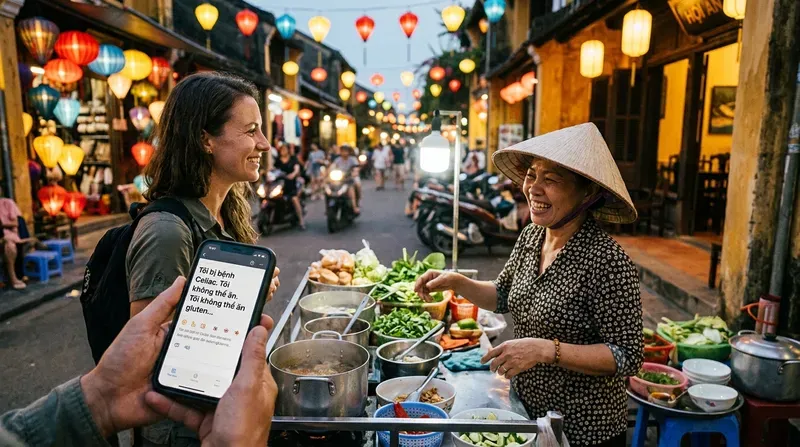
As a result, they might serve you wheat noodles while proudly claiming it is safe. Furthermore, busy kitchens leave little time for complex explanations. Consequently, trying to explain cross-contamination in English is usually futile. Additionally, the loud environment of a street food stall hinders clear communication.
Notably, even fluent English speakers might not know the exact ingredients of commercial sauces. Therefore, they might unknowingly assure you a dish is safe. Meanwhile, the consequences of this miscommunication fall entirely on you. Ultimately, you need a more robust method to convey your dietary needs.
Using Translation Cards Effectively
Downloading a dedicated Vietnamese celiac translation card is absolutely essential for your trip. These cards explain your condition in clear, local terminology and explicitly list hidden dangers like soy sauce and bouillon, effectively bridging the communication gap. It is wise to save a digital copy on your phone’s lock screen while also printing a few physical backups. Handing a physical card directly to the head chef—where they can read the information in their native language—commands immediate respect and ensures the staff takes your requests seriously.
You should present the card before you even sit down, whether you are trying a new local spot or visiting established gluten free restaurants in hoi an. This saves time if the kitchen cannot safely accommodate you. Always remember to smile and be polite when handing it over, as this simple tool is your greatest asset for safe dining.
Crucial Vietnamese Phrases to Memorize
Memorizing a few crucial Vietnamese phrases adds an extra layer of protection. For instance, “không nước tương” translates to “no soy sauce.” Moreover, “tôi bị dị ứng lúa mì” means “I have a wheat allergy.” Therefore, speaking these phrases shows your serious intent. Additionally, you should learn to say “không bột ngọt” to avoid MSG blends.
Notably, these simple phrases empower you during quick interactions. Furthermore, locals highly appreciate tourists who attempt to speak their language. Consequently, they are often more willing to help you. In fact, combining verbal cues with your translation card ensures maximum safety.
Specifically, pointing to the card while speaking reinforces your message. Therefore, the vendor clearly understands the gravity of the situation. Meanwhile, practicing pronunciation with a local guide can be very helpful. Ultimately, these phrases give you a voice in a foreign culinary landscape.
6. Experiencing a Safe Hoi An Food Tour
The Value of a Bilingual Guide
Exploring the local cuisine is the highlight of any Vietnamese vacation. However, doing it alone with a severe allergy is daunting. Therefore, hiring a bilingual local guide provides immense value. Specifically, a knowledgeable guide understands the nuances of severe food allergies. Moreover, they can interrogate street vendors in their native dialect.
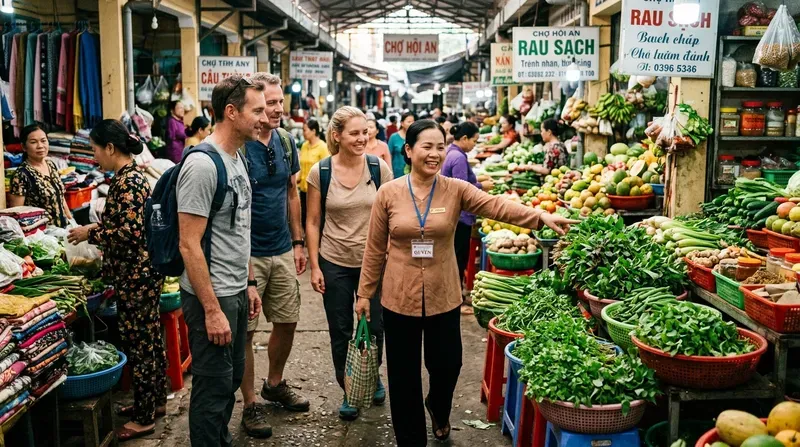
As a result, they uncover hidden ingredients you would never spot. Furthermore, a guide acts as your personal health advocate. Consequently, you can relax and actually enjoy the cultural experience. In fact, guides often have personal relationships with trusted vendors.
Therefore, they know exactly which stalls maintain clean, separate cooking stations. Additionally, they can explain your condition to the vendor perfectly. Notably, this eliminates the awkwardness of using translation cards at every stop. Ultimately, a good guide transforms a stressful evening into a joyful adventure.
Customizing Your Culinary Journey
You should always request a customized hoi an food tour. Specifically, reputable tour companies will strictly adhere to a gluten-free diet. Moreover, they pre-vet every single tasting location before you arrive. Therefore, you can finally experience the joy of carefree street food eating. Additionally, these specialized tours explore hidden gems.
In fact, you will visit family-run stalls that use pure, traditional recipes. Consequently, you get an authentic experience without the anxiety. Furthermore, your guide will introduce you to naturally safe regional specialties. Specifically, you might discover incredible rice-based desserts you never knew existed.
Moreover, these tours often include visits to local markets. Therefore, your guide can teach you how to identify safe ingredients yourself. As a result, you gain valuable skills for the rest of your trip. Ultimately, booking a specialized tour is the best investment for your health and happiness.
Conclusion
Traveling to Central Vietnam with a severe wheat allergy is entirely possible with the right preparation. Specifically, relying on dedicated celiac-friendly restaurants forms the foundation of a safe trip. Moreover, utilizing translation cards eliminates dangerous miscommunications at local eateries. Therefore, understanding hidden risks like soy sauce empowers you to make smart choices.
In fact, you can safely enjoy Vietnam’s incredible culinary heritage with a little vigilance. Furthermore, prioritizing pure, traditional dishes guarantees a memorable gastronomic adventure. Consequently, you do not have to miss out on the magic of this beautiful city. Most importantly, advocating for your health ensures you return home feeling great.
Ready to explore the culinary wonders of Central Vietnam safely? Bookmark this 2026 guide for your upcoming travels. Additionally, download your Vietnamese celiac translation card today. Finally, book a customized Hoi An food tour to guarantee a stress-free, delicious trip!


