



What to Eat in Hoi An: Top 10 Local Dishes & Guide
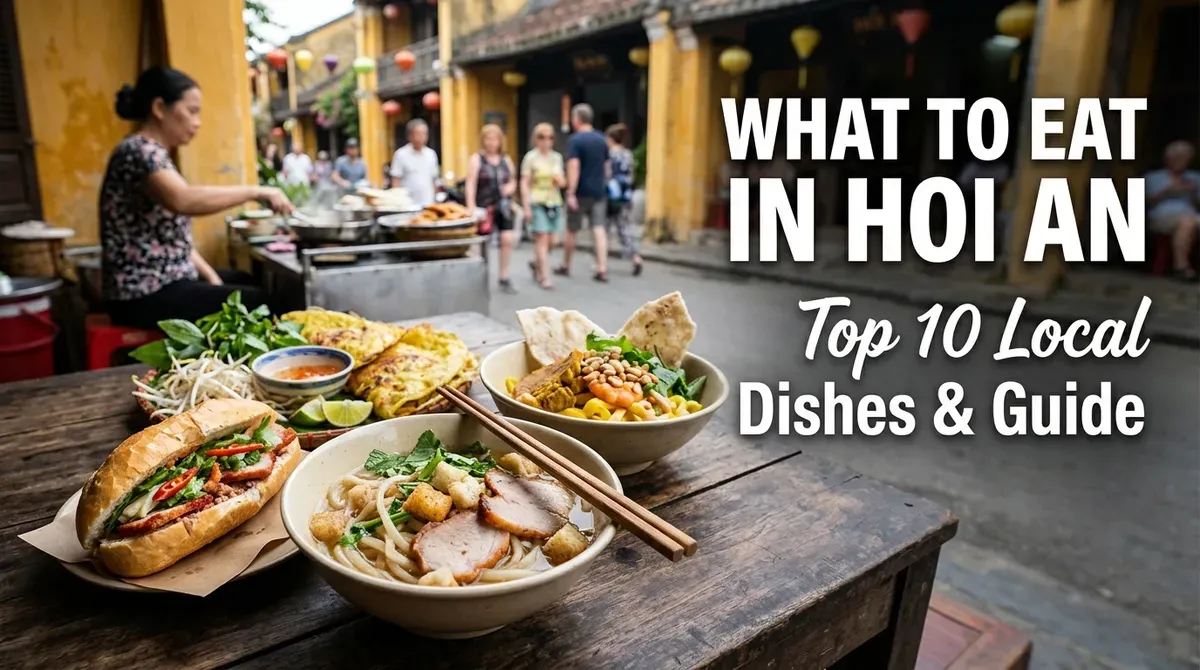
Wandering through the lantern-lit, mustard-yellow streets of Vietnam’s most charming ancient town, you will quickly realize something special. Specifically, the local culinary scene is just as vibrant as its historic architecture. With countless street food stalls and bustling markets, travelers often feel overwhelmed. Therefore, many visitors fear missing out on the truly authentic, regional flavors. If you are wondering exactly what to eat in hoi an, you have come to the right place. In fact, this comprehensive guide breaks down the ultimate culinary itinerary. Furthermore, we feature the top 10 must-try dishes, hidden vegan gems, and practical tips. As a result, you can confidently eat like a local during your visit.
1. What to Eat in Hoi An: The Top 10 Must-Try Local Dishes
The Iconic Noodles: Cao Lau and Mi Quang
Dive into the rich history and complex flavors of Cao Lau. Undoubtedly, this is the most famous noodle dish in the ancient town. Specifically, authentic Cao Lau features thick, chewy rice noodles topped with tender slices of roast pork. Additionally, vendors add fresh herbs, crispy pork cracklings, and a small amount of savory broth. However, the true secret lies in the noodles themselves. According to local legend, genuine Cao Lau noodles require water drawn exclusively from the ancient Ba Le well.
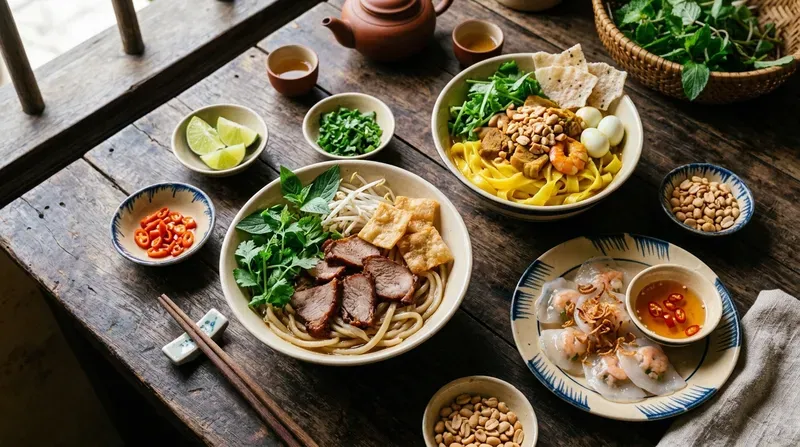
Moreover, the rice is soaked in lye water created from ashes of local Cham Island trees. Consequently, this unique process gives the noodles their distinct yellow tint and chewy texture. You simply cannot find authentic Cao Lau anywhere else in Vietnam. Therefore, tasting this dish is an absolute requirement for any visitor. In fact, every single bite offers a perfect balance of textures and regional flavors.
Meanwhile, you must also try a steaming bowl of Mi Quang. This beloved dish features wide, turmeric-infused noodles that boast a vibrant yellow color. Typically, vendors serve Mi Quang with a rich, heavily seasoned bone broth. Furthermore, the broth barely covers the noodles, acting more like a concentrated sauce. Most importantly, the dish includes hearty proteins like shrimp, pork, or quail eggs.
Additionally, a proper bowl of Mi Quang relies heavily on its garnishes. For instance, locals top the noodles with roasted peanuts, toasted sesame rice crackers, and fresh herbs. As a result, you get a satisfying crunch with every single bite. Specifically, the combination of tender meat, chewy noodles, and crispy crackers is truly unforgettable. Therefore, Mi Quang stands out as a staple of Central Vietnamese cuisine.
Specialty Dumplings & Rolls
When deciding what to eat in Hoi An, you must discover the delicate beauty of White Rose Dumplings. Locally known as Banh Bao Banh Vac, these translucent dumplings resemble beautiful white flowers. Cooks expertly craft the wrapper from translucent rice dough, filling the inside with a savory mix of minced shrimp or seasoned pork. To finish, vendors generously top these elegant bites with crispy fried shallots.
Interestingly, only one family in the ancient town produces the authentic wrappers for these dumplings. Therefore, every restaurant serving White Rose sources them from this single, dedicated family. Furthermore, you dip the dumplings into a sweet and sour fish sauce. As a result, the delicate flavors perfectly complement the rich dipping sauce.
On the other hand, you cannot miss the crispy Fried Wontons. Known locally as Hoanh Thanh Chien, this dish offers a wonderful textural contrast. Specifically, cooks deep-fry flat wonton wrappers until they become incredibly crispy and golden brown. Afterward, they top the crispy base with a vibrant sweet and sour salsa.
Typically, this topping includes sautéed shrimp, pork, tomatoes, and sweet onions. Consequently, the dish resembles a fascinating Vietnamese take on nachos. In fact, the combination of the crunchy wrapper and the juicy topping is highly addictive. Moreover, Fried Wontons serve as an excellent appetizer before a larger meal.
Additionally, fresh spring rolls offer a lighter, refreshing dining option. Vendors wrap fresh herbs, vermicelli noodles, and shrimp in delicate rice paper. Specifically, these rolls provide a cool contrast to the hot, humid weather. Furthermore, you dip them in a rich, savory peanut sauce for maximum flavor.
Savory Bites & Rice Dishes
If you are still wondering what to eat in Hoi An, savoring the comforting flavors of Com Ga (Hoi An Chicken Rice) is a perfect place to start. At first glance, this dish might seem simple, but it packs incredible flavor. Cooks boil the chicken with turmeric, ginger, and local herbs, then use that fragrant broth to cook the rice. As a result, the grains take on a beautiful yellow hue and a rich, savory taste. Vendors shred the tender chicken and toss it with crushed onions and Vietnamese coriander, serving it alongside a tangy green papaya salad. Ultimately, Com Ga provides a perfectly balanced and satisfying meal.
During your culinary adventure, you absolutely must also try Banh Xeo. These sizzling crispy pancakes are a beloved street food staple. The batter—a simple mix of rice flour, water, and turmeric powder—is fried in a hot skillet until the edges become incredibly crispy. Inside the pancake, you will find bean sprouts, shrimp, and thinly sliced pork. The true magic, however, happens when you eat it: you wrap a piece of the crispy pancake in fresh rice paper along with fragrant herbs, then dip the entire roll into a savory peanut-based sauce.
Meanwhile, Nem Lui offers another highly interactive dining experience. These savory lemongrass pork skewers are grilled over open charcoal flames, allowing the meat to develop a wonderful smoky flavor and a caramelized exterior. The lemongrass stalk further infuses the pork with a bright, citrusy aroma. Similar to Banh Xeo, you eat Nem Lui by wrapping it in rice paper. Just place the meat, fresh greens, and cucumber slices on the wrapper, pull the lemongrass stalk out before rolling it up tightly, and dip the bite into a thick, flavorful peanut and sesame sauce.
Sweet Treats
Finish your culinary journey with traditional local desserts. For instance, Che is a popular sweet soup found throughout the town. Specifically, vendors offer various versions of this refreshing treat. You can find Che made with mung beans, black beans, lotus seeds, or tapioca pearls.
Moreover, locals often serve Che over crushed ice with a generous drizzle of coconut milk. As a result, it provides the perfect cooldown on a warm afternoon. Furthermore, you can easily find Che vendors near the central market or along the riverfront. Therefore, it is a highly accessible and affordable dessert option.
Finally, satisfy your sweet tooth with traditional Mango Cakes. Known locally as Banh Xoai, these treats actually contain absolutely no mango. Instead, they earn their name because their shape resembles a small mango seed. Specifically, these sticky rice dumplings feature a soft, chewy exterior dusted with powdered sugar.
Inside, you will discover a sweet filling made of crushed peanuts and brown sugar. In fact, the contrast between the soft dough and the crunchy filling is delightful. Additionally, you can buy these small cakes from street vendors wandering through the ancient town. Consequently, they make a perfect on-the-go snack.
2. Where to Find the Best Banh Mi in Hoi An
The Global Fame of Hoi An Sandwiches
The history and global fame of the local Banh Mi are truly remarkable. Specifically, the Hoi An-style sandwich features a unique, pointed baguette that remains ultra-crispy on the outside. Meanwhile, the inside stays incredibly soft and airy, absorbing all the delicious juices. Furthermore, this specific style of bread perfectly holds the generous, savory fillings without falling apart. As a result, every single bite delivers a satisfying crunch followed by rich, complex flavors.
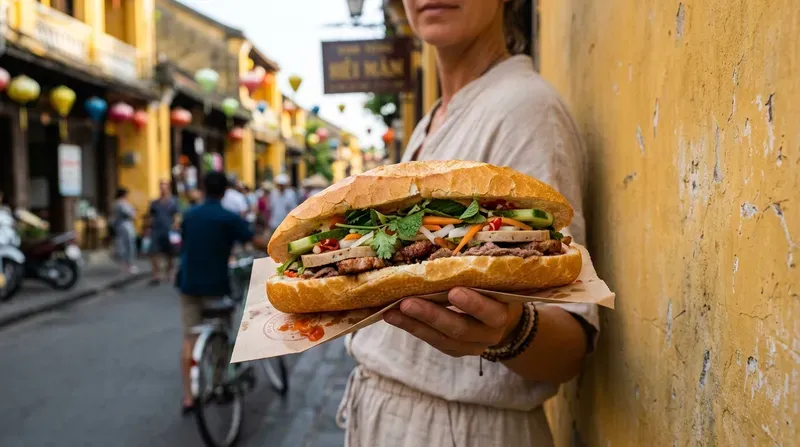
Moreover, vendors elevate these sandwiches with their closely guarded secret chili sauces. In fact, the combination of savory pork liver pâté, grilled meats, and fresh herbs creates a flavor explosion. Additionally, homemade mayonnaise and pickled daikon add a necessary tangy crunch to balance the rich meats. Therefore, it is no surprise that food enthusiasts travel worldwide just to taste them. You can read more about the culinary origins of this iconic Vietnamese sandwich on Wikipedia.
Legendary Sandwich Spots
When exploring the town, two legendary spots constantly dominate the conversation. First, Banh Mi Phuong gained international fame after a highly publicized visit from a renowned celebrity chef. Specifically, he famously described their sandwich as a symphony in a bread. Consequently, you will often find long lines of eager tourists waiting outside this iconic shop.
On the other hand, Madam Khanh, also known as The Banh Mi Queen, offers a fierce rivalry. Notably, her sandwiches feature a slightly sweeter, richer sauce that locals absolutely adore. Furthermore, the atmosphere here feels slightly more intimate compared to its famous competitor. Both locations serve incredible food, making it hard to choose just one.
Ultimately, you should try both shops to determine your personal favorite. However, if you want a detailed breakdown of all the top spots, we have you covered. Specifically, you can check out our dedicated guide to the best banh mi in hoi an for an in-depth comparison. As a result, you will know exactly where to satisfy your sandwich cravings.
3. Top Vegan Restaurants in Hoi An for Plant-Based Travelers
The Rise of Plant-Based Dining
The rise of plant-based dining in the ancient town has been truly impressive. In recent years, numerous fully vegan and vegetarian eateries have opened their doors. Specifically, these establishments cater to the growing number of health-conscious and ethical travelers. Furthermore, traditional Vietnamese cuisine easily adapts to vegan diets with just a few simple ingredient swaps.
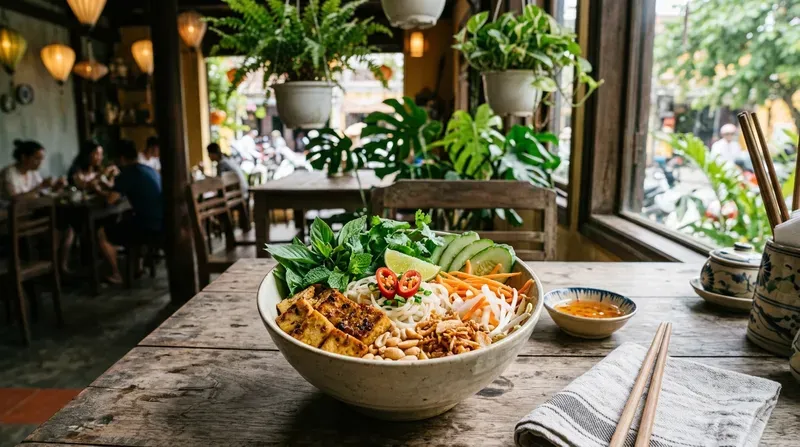
For instance, chefs replace fish sauce with savory soy or mushroom-based alternatives. Additionally, they utilize an abundance of fresh local produce, tofu, and hearty mushrooms. As a result, plant-based travelers never have to compromise on authentic regional flavors. In fact, you can enjoy rich, satisfying meals that perfectly mimic traditional meat dishes.
Meat-Free Local Specialties
Most importantly, you can easily find vegan versions of famous local specialties. Several top recommendations for meat-free dining focus on recreating iconic regional dishes. Specifically, chefs craft incredible vegan Cao Lau using marinated tofu and savory mushroom broths. Consequently, you still experience the signature chewy noodles and crispy rice crackers without any animal products.
Moreover, plant-based Mi Quang is another absolute must-try for vegan visitors. Vendors top the bright yellow noodles with banana blossoms, roasted peanuts, and seasoned seitan. Therefore, the dish retains its complex textures and vibrant, turmeric-infused flavors. Additionally, many spots offer fantastic vegan spring rolls packed with fresh mint and crisp vegetables.
Furthermore, you should seek out vegan Banh Xeo during your culinary explorations. Cooks use a completely egg-free rice flour batter to create the sizzling crispy pancakes. Inside, they stuff the pancakes with hearty mung beans, local mushrooms, and fresh bean sprouts. Consequently, you get the exact same interactive wrapping experience, entirely plant-based.
Ultimately, navigating the town as a vegan is both easy and incredibly rewarding. However, finding the absolute best spots requires a bit of local knowledge. For a complete plant-based itinerary, be sure to explore our full list of vegan restaurants in hoi an. As a result, you will discover hidden gems that serve unforgettable meat-free meals.
4. Is a Hoi An Food Tour Worth It?
Benefits of Guided Culinary Experiences
Many travelers wonder if booking a guided culinary experience is genuinely worth the money. Undoubtedly, the unique benefits of joining a guided tour are substantial. Specifically, a knowledgeable guide helps you navigate the confusing labyrinth of hidden alleyways. Furthermore, they lead you directly to the most authentic, hygienic street food stalls available.
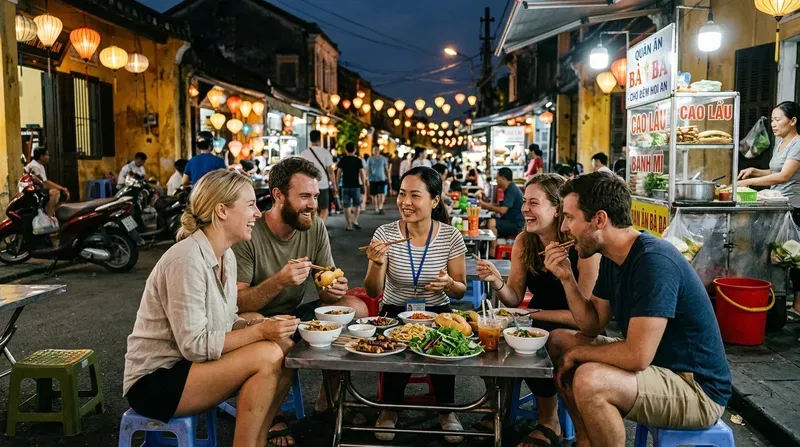
Additionally, joining a tour helps you avoid overpriced, low-quality tourist traps. Unfortunately, the main streets are lined with restaurants that prioritize aesthetics over authentic flavor. Conversely, local guides know exactly which humble stalls serve the most delicious, traditional recipes. Therefore, you save money and avoid culinary disappointment by trusting a local expert.
Moreover, these tours provide invaluable opportunities to interact with multi-generational street food vendors. Often, these vendors speak very little English, making independent communication quite difficult. However, a local guide bridges this language gap effortlessly. As a result, you can learn the fascinating personal stories behind the people cooking your meals.
Discovering Deep-Rooted Cultural History
Additionally, a local expert can explain the deep-rooted cultural history behind specialty dishes. For instance, they will share the legends surrounding the ancient Ba Le well water used in Cao Lau. Specifically, understanding the history of a dish makes eating it significantly more rewarding. Therefore, a tour transforms a simple meal into an educational cultural immersion.
In fact, guides often point out subtle architectural details while walking between food stops. Consequently, you gain a deeper appreciation for the ancient town as a whole. Furthermore, tours usually include a wide variety of tastings, allowing you to sample many different items. This prevents you from filling up on just one large dish too quickly.
Ultimately, investing in a guided experience is highly recommended for first-time visitors. It removes the stress of deciding where and what to eat. If you want to dive deeper into the local culinary scene, consider booking a hoi an food tour today. As a result, you will enjoy a curated, unforgettable tasting adventure with a local expert.
5. Practical Tips for Enjoying Hoi An Street Food
Budgeting for Your Meals
Budgeting for your meals in the ancient town is surprisingly straightforward. Specifically, street food remains incredibly affordable for budget-conscious travelers. For example, a legendary Banh Mi or a hearty bowl of noodles typically costs under two dollars. Therefore, you can easily enjoy multiple street food snacks without breaking the bank.
On the other hand, sit-down restaurants naturally charge slightly higher prices. However, even high-end dining establishments offer excellent value compared to Western standards. Generally, a multi-course meal at a nice restaurant will cost between ten and twenty dollars. Consequently, you can comfortably mix cheap street eats with luxurious dining experiences throughout your trip.
Food Safety Tips for Travelers
Maintaining food safety is crucial when exploring the local street food scene. Fortunately, you can easily avoid stomach issues by following a few simple rules:
- Always choose stalls that have a high turnover of local customers.
- Ensure that raw meats are kept entirely separate from cooked ingredients.
- Look for uniform, cylindrical ice cubes which indicate commercially purified water.
Furthermore, you should pay close attention to how the vendors handle their food. For instance, observe if they use separate utensils for raw and cooked items. Additionally, many travelers worry about consuming ice and water in Southeast Asia. However, most reputable vendors and restaurants in the town use safe, commercially purified ice.
Specifically, safe ice typically comes in the form of uniform, cylindrical cubes with a hole in the middle. Therefore, if you see this type of ice in your drink, it is generally safe to consume. Nevertheless, you should always drink bottled or filtered water rather than tap water. As a result, you will stay hydrated and healthy during your travels.
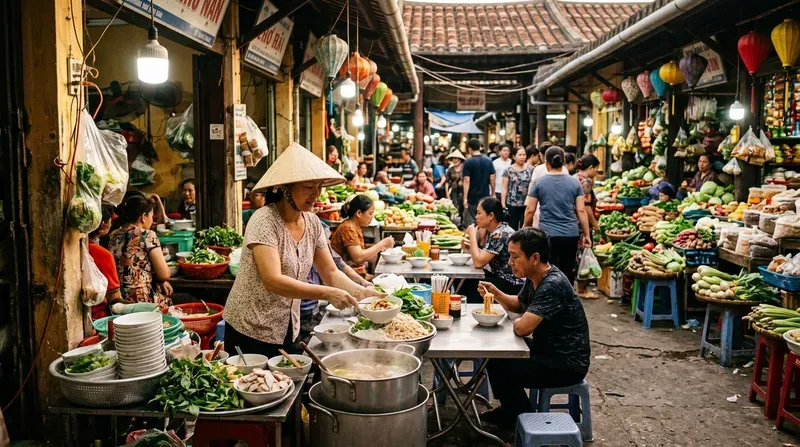
Finally, understanding local market etiquette will greatly enhance your culinary adventure. Specifically, navigating the bustling Central Market can feel quite chaotic at first. However, the indoor food court is an absolute treasure trove of authentic dishes. When ordering food from the food court, simply point to the ingredients you want.
Moreover, it is important to interact respectfully with the hardworking vendors. Always greet them with a smile and a simple “Xin Chao” to show your appreciation. Additionally, while bargaining is common for clothing, you should never haggle over prepared street food prices. In fact, food prices are generally fixed and already incredibly cheap.
Conclusion
Hoi An is undeniably the culinary capital of Central Vietnam. From the legendary bowls of Cao Lau to the world-famous Banh Mi, the flavors here are truly unmatched. Furthermore, the thriving vegan scene ensures that every single traveler can enjoy the local cuisine. Ultimately, the ancient town offers an unforgettable gastronomic adventure that will leave you craving more.
Ready to taste the magic of Central Vietnam for yourself? Check out our recommended hoi an food tour to explore these iconic dishes with a local expert. Additionally, we would love to hear about your own culinary experiences in the ancient town. Let us know your absolute favorite dish in the comments below!